

Pulse Dose vs Continuous Flow Oxygen: A Simple Comparison

Choosing between a 5 LPM vs 10 LPM oxygen concentrator is one of the most common — and most confusing — decisions Indian families face when a doctor prescribes home oxygen. Alongside that, patients also get asked whether they need “pulse dose” or “continuous flow” delivery, two very different technologies that suit different patients. This guide breaks both choices down in plain language.
Pulse Dose vs Continuous Flow: The Core Difference
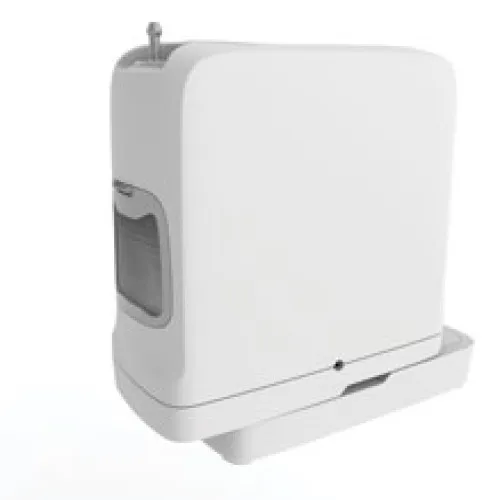
A continuous flow concentrator delivers a steady stream of oxygen at your set LPM, whether you’re inhaling or exhaling — this is what almost all home-use 5 LPM and 10 LPM machines provide. A pulse dose (or “on-demand”) device instead senses the start of each breath and delivers a short burst of oxygen only during inhalation, conserving oxygen and battery life, which is why pulse dose is mostly built into small portable units for travel rather than into fixed home concentrators.
| Feature | Continuous Flow | Pulse Dose |
|---|---|---|
| Delivery | Constant flow, day and night | Burst on inhalation only |
| Best for | Home use, sleeping patients, higher LPM needs | Mobile/ambulatory patients, travel |
| Typical device type | Fixed 5 LPM / 10 LPM concentrator | Portable oxygen concentrator (POC) |
| Effectiveness during sleep | Reliable — works regardless of breathing pattern | Can under-deliver if breathing is shallow during sleep |
| Approx. Price (₹, 2026) | ₹28,000 – ₹85,000 | ₹65,000 – ₹1,50,000 |
5 LPM vs 10 LPM Oxygen Concentrator: Which Do You Need?
Once you know you need continuous flow, the next decision is capacity. The 5 LPM vs 10 LPM oxygen concentrator choice usually comes down to how much oxygen your prescription requires and whether more than one person in the household needs oxygen at the same time.
- 5 LPM concentrators suit single-patient use with prescriptions typically between 1–5 LPM — this covers the vast majority of COPD, post-COVID, and general respiratory support cases.
- 10 LPM concentrators are needed for patients prescribed above 5 LPM (common in severe COPD, ILD, or pulmonary fibrosis), or households where two people may need oxygen using a flow splitter.
Side-by-Side: 5 LPM vs 10 LPM Specifications
| Specification | 5 LPM Concentrator | 10 LPM Concentrator |
|---|---|---|
| Flow Range | 1–5 LPM | 1–10 LPM (dual-flow models often split 1–5 / 5–10) |
| Oxygen Purity | 90–96% at rated flow | 90–96% at rated flow |
| Power Draw | 350–420 watts | 550–650 watts |
| Noise Level | 40–46 dB | 45–52 dB |
| Weight | 15–18 kg | 22–28 kg |
| Approx. Price (₹, 2026) | ₹28,000 – ₹42,000 | ₹55,000 – ₹85,000 |
Common Prescription Scenarios
- Mild COPD or post-COVID recovery (1–3 LPM): A 5 LPM concentrator is more than sufficient and considerably cheaper to run.
- Moderate-to-severe respiratory disease (4–6 LPM): A 5 LPM unit at its ceiling, or a 10 LPM unit for safety margin, both work — discuss with your doctor.
- Severe fibrosis or two patients at home (6–10 LPM): A 10 LPM concentrator is necessary, ideally with a backup cylinder for emergencies.
Why Getting This Choice Right Matters
Buying a 5 LPM unit for a patient prescribed 7 LPM leaves them under-oxygenated — a genuinely dangerous outcome. Conversely, buying a 10 LPM unit for a 2 LPM prescription means paying significantly more upfront and in electricity for capacity you’ll never use. Always confirm the exact prescribed flow rate with your pulmonologist, ideally with a recent SpO2/ABG report, before choosing between a 5 LPM vs 10 LPM oxygen concentrator.
Maintenance Differences Between the Two
Both device classes need the same basic care — weekly filter cleaning, humidifier bottle refills with distilled water, and servicing every 3–6 months. The 10 LPM unit’s larger compressor generally needs professional servicing checked slightly more often since it runs under greater continuous load, especially in shared-use households running the machine near-continuously for two people.
Browse our complete oxygen concentrator collection to compare 5 LPM and 10 LPM models side by side, and check the Oxygen4India blog for more buying guides. For general reference on home oxygen use, the Ministry of Health and Family Welfare (MoHFW) publishes updated respiratory care guidance for Indian patients.
Frequently Asked Questions
Is a 10 LPM oxygen concentrator always better than a 5 LPM one?
No. “Better” depends entirely on your prescribed flow rate. A 10 LPM unit costs more to buy and run, and is only necessary if your doctor has prescribed above 5 LPM or two patients need simultaneous oxygen.
Can pulse dose concentrators be used for home/night use?
Generally not recommended as a primary night-time device, since shallow breathing during sleep can cause pulse-sensing units to under-deliver oxygen. Continuous flow is the standard recommendation for home and overnight use.
What is the price difference between 5 LPM and 10 LPM concentrators in India?
As of 2026, 5 LPM units typically range ₹28,000–₹42,000, while 10 LPM units range ₹55,000–₹85,000, depending on brand, warranty, and oxygen purity monitoring features.
Can one 10 LPM concentrator serve two patients at home?
Yes, with a flow-splitter accessory, provided the combined prescribed flow for both patients does not exceed the unit’s rated capacity and your doctor approves the shared setup.
Disclaimer: This article is for general informational purposes only and does not replace professional medical advice. Always confirm your prescribed oxygen flow rate and device type with a qualified doctor before purchase.
