

How to Use an Oxygen Concentrator at Home: Step by Step

Learning how to use an oxygen concentrator at home correctly is the single biggest factor in whether oxygen therapy actually helps your loved one recover, or whether it becomes a source of daily anxiety. Whether you were sent home after a hospital discharge, or your doctor has prescribed long-term oxygen therapy (LTOT) for COPD, ILD, or post-COVID lung recovery, the process is simple once you know the steps — and this guide walks you through every one of them, in the order you’ll actually need them.
What Is an Oxygen Concentrator and How Does It Work?
An oxygen concentrator is a medical device that pulls in ordinary room air (which is about 21% oxygen), passes it through a molecular sieve filter called a zeolite bed, and delivers purified oxygen — typically 87–96% purity — through a nasal cannula or mask. Unlike an oxygen cylinder, it never runs out as long as it has electricity, which makes it far more practical for home use in India, especially in cities where cylinder refills can take days.
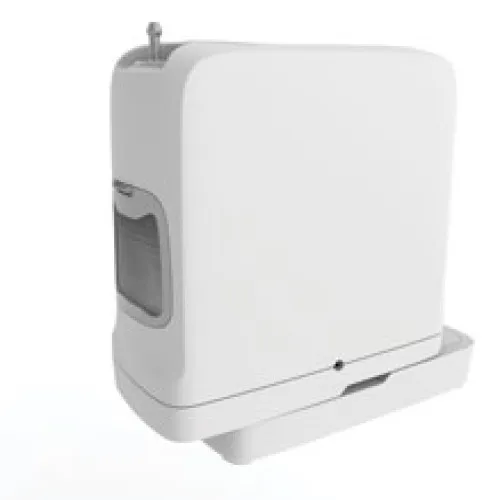
There are two broad types available for home use: continuous flow concentrators (5L or 10L, ideal for stationary use at home) and portable oxygen concentrators (POCs) with pulse-dose delivery for patients who need to move around. Most home patients in India use a 5-litre continuous flow unit, priced roughly ₹28,000–₹55,000 depending on the brand (Philips, DeVilbiss, BPL, Nidek, or Oxymed).
Step-by-Step: How to Use Oxygen Concentrator at Home Safely
Follow this sequence every single time you start a session. It only takes two minutes once you’re used to it, but skipping steps is where most avoidable problems happen.
- Place the concentrator correctly. Position it at least 6 inches away from walls and curtains, in a well-ventilated room, away from direct sunlight and heaters. Never place it in a bathroom or kitchen.
- Check the humidifier bottle (if prescribed). Fill it with distilled or cooled boiled water up to the marked line — never tap water, as it can introduce bacteria into the airway. Doctors usually recommend humidification only for flow rates above 4 LPM.
- Attach the nasal cannula or mask. Connect the tubing firmly to the humidifier bottle outlet (or directly to the machine if humidification isn’t needed).
- Switch on the machine and let it stabilise. Most concentrators take 5–10 minutes to reach full oxygen purity. Don’t start breathing through the cannula the instant you switch it on.
- Set the flow rate exactly as prescribed. Never adjust the LPM (litres per minute) yourself — this is set by your pulmonologist based on your SpO2 levels and ABG reports, usually between 1–5 LPM for home patients.
- Position the cannula prongs correctly in both nostrils, with the tubing looped over the ears and adjusted snugly under the chin — not too tight.
- Monitor your SpO2 with a pulse oximeter every 30–60 minutes during the first few days, and log it in a diary to share with your doctor.
- Switch off properly — turn off the machine, then remove the cannula, rather than the other way round.
Daily Do’s and Don’ts for Oxygen Therapy at Home
| Do | Don’t |
|---|---|
| Clean the inlet filter weekly with mild soap and water | Don’t smoke or allow anyone to smoke near the concentrator — oxygen is combustible |
| Keep the machine on a firm, flat surface | Don’t cover the vents with a cloth or place it inside a cupboard |
| Use a stabiliser if your area has voltage fluctuations | Don’t use petroleum-based creams (Vaseline) near the nose during use |
| Replace the humidifier water daily | Don’t run the machine continuously for more than 8–10 hours without a rest cycle unless your device is rated for 24×7 use |
| Keep a backup oxygen cylinder for power cuts | Don’t ignore alarms — always check the reason immediately |
Understanding Flow Rate and Oxygen Purity
Patients often ask why the doctor prescribes “2 LPM” or “4 LPM” — this number simply refers to the litres of oxygen delivered per minute, not the percentage of oxygen you breathe in. A higher LPM increases the fraction of inspired oxygen (FiO2) your lungs receive. Never increase this number on your own even if you feel breathless — call your doctor first, since over-oxygenation can be dangerous for certain COPD patients whose breathing drive depends on lower oxygen levels.
| Flow Rate (LPM) | Approx. FiO2 Delivered | Typical Use Case |
|---|---|---|
| 1 LPM | ~24% | Mild hypoxemia, maintenance therapy |
| 2–3 LPM | 28–32% | Standard home LTOT for COPD/ILD |
| 4–5 LPM | 36–40% | Post-COVID recovery, moderate hypoxemia |
| 6+ LPM | 44%+ | Requires a 10L high-flow concentrator, hospital-guided use |
Essential Accessories You Need for Safe Oxygen Concentrator Use
A concentrator alone isn’t enough — the accessories around it determine both comfort and hygiene. You’ll typically need:
- Nasal cannula — replace every 1–2 weeks (₹50–₹150 each); never share between patients.
- Oxygen mask — used for higher flow rates or mouth-breathers, especially at night.
- Humidifier bottle — reduces nasal dryness and irritation on long sessions (₹300–₹800).
- Extension tubing — 7–15 feet lengths so the patient can move around the room while connected.
- Pulse oximeter — for daily SpO2 and pulse monitoring (₹800–₹2,000).
- Voltage stabiliser — protects the compressor from power surges, especially important in Tier-2/3 cities.
All of these are available as a complete kit — check the oxygen concentrators range on Oxygen4India if you’re also comparing machines before buying or renting one.
Common Mistakes Families Make When Starting Oxygen Therapy
Most complications we hear about from customers come down to a handful of repeated mistakes: using tap water in humidifiers, forgetting to clean filters for months, placing the unit in an enclosed cupboard so it overheats, and — most seriously — self-adjusting the flow rate based on how the patient “feels” rather than actual SpO2 readings. Oxygen therapy is a prescription, not a comfort setting, and treating it that way protects the patient far better than guesswork.
It’s also worth reading up on general upkeep once the basics are in place — our Oxygen4India blog has detailed maintenance and troubleshooting guides for every major brand sold in India.
When to Call Your Doctor Immediately
Stop and call your doctor or go to the nearest hospital if you notice: SpO2 dropping below the level your doctor specified despite oxygen being on, blue-tinged lips or fingertips, confusion or extreme drowsiness, chest pain, or the concentrator’s low-purity alarm going off repeatedly even after filter cleaning. According to the World Health Organization, home oxygen therapy should always be managed under medical supervision with regular follow-up, particularly for chronic respiratory conditions.
Frequently Asked Questions
Can I use an oxygen concentrator without a doctor’s prescription?
You can legally purchase one, but you should never start or change oxygen therapy without a doctor’s guidance. The correct flow rate depends on your blood oxygen levels and underlying condition, and incorrect use can cause harm, especially in COPD patients.
How many hours a day can I safely run an oxygen concentrator?
Most 5L home concentrators are designed for continuous, round-the-clock use as long as they’re serviced properly. Check your specific model’s manual — some entry-level units recommend periodic rest cycles, while medical-grade LTOT devices are built for 24×7 operation.
Why does my throat and nose feel dry after using the concentrator?
This is common with flow rates above 3–4 LPM and is usually solved by using a humidifier bottle filled with distilled or cooled boiled water. If dryness persists, ask your doctor about a water-based nasal gel.
What should I do if the concentrator beeps or shows a low-purity alarm?
First check and clean the filters, ensure the cannula isn’t kinked or blocked, and confirm the unit has proper ventilation. If the alarm continues after these checks, switch to a backup oxygen source and contact your supplier or service technician immediately.
Disclaimer: This article is for general informational purposes only and does not replace professional medical advice. Always consult your doctor or pulmonologist before starting, adjusting, or stopping any oxygen therapy at home.
