

VPAP vs CPAP vs BiPAP India Buying Guide 2026

# VPAP vs CPAP vs BiPAP India Buying Guide 2026
## Introduction
### Overview of Sleep Apnea
Sleep apnea is a common sleep disorder in which breathing repeatedly stops and starts during sleep. The primary types of sleep apnea are **Obstructive Sleep Apnea (OSA)**, caused by airway blockage; **Central Sleep Apnea (CSA)**, due to the brain failing to send proper signals to breathing muscles; and **Complex or Mixed Sleep Apnea**, a combination of both. If left untreated, sleep apnea can lead to serious health risks such as heart disease, hypertension, diabetes, and daytime fatigue.
### Importance of CPAP, VPAP, and BiPAP
To manage the symptoms and health risks associated with sleep apnea, devices like **CPAP (Continuous Positive Airway Pressure), VPAP (Variable Positive Airway Pressure)**, and **BiPAP (Bi-level Positive Airway Pressure)** play pivotal roles. Each of these devices helps maintain open airways during sleep, but their operational mechanisms and suitability vary according to individual needs.
—
## Understanding CPAP, VPAP, and BiPAP
### What is CPAP?
**Functionality:**
CPAP stands for *Continuous Positive Airway Pressure*. It delivers a constant, steady stream of pressurized air through a mask, preventing the airway from collapsing during sleep.
**Usage and Benefits:**
CPAP is the gold standard for treating obstructive sleep apnea. Its simplicity and effectiveness make it a popular choice, helping users experience uninterrupted sleep and reduced apneic episodes.
### What is VPAP?
**Functionality:**
VPAP, or *Variable Positive Airway Pressure*, also known as APAP (Automatic), automatically adjusts pressure levels throughout the night based on breathing patterns.
**Usage and Benefits:**
VPAP ensures optimal pressure is delivered during inhalation and lowers it during exhalation, maximizing comfort. It’s especially suited for users who experience variable requirements during sleep.
### What is BiPAP?
**Functionality:**
BiPAP stands for *Bi-level Positive Airway Pressure*. Unlike CPAP, it delivers two different pressure values: higher pressure during inhalation (IPAP) and lower during exhalation (EPAP).
**Usage and Benefits:**
BiPAP is ideal for those who need higher pressure support, such as patients with central sleep apnea, complex sleep apnea, or certain respiratory conditions. It’s easier for users to exhale and can offer advanced respiratory support when necessary.
—
## Key Differences Between CPAP, VPAP, and BiPAP
### Pressure Delivery Mechanisms
– **CPAP:** Delivers a fixed pressure throughout the sleep cycle.
– **VPAP (APAP):** Adjusts pressure automatically based on real-time breathing needs.
– **BiPAP:** Provides two preset pressures – one for inhaling, one for exhaling – for a more tailored therapy.
### Suitability for Different Conditions
– **CPAP:** Best for mild to moderate obstructive sleep apnea.
– **VPAP:** Suited for users with variable apnea severity, or those who experience pressure intolerance with CPAP.
– **BiPAP:** Recommended for central/complex sleep apnea, high-pressure needs, or underlying respiratory illnesses (COPD, obesity hypoventilation).
### Comfort Factors
## Device comfort depends on mask design, noise levels, and exhalation relief:
– **CPAP:** May feel restrictive for some users, especially at higher pressures.
– **VPAP:** Enhances comfort by dynamically adjusting pressures.
– **BiPAP:** Most comfortable for users needing significant pressure differences, but with a more complex interface.
—
## Benefits and Drawbacks
### CPAP
– **Benefits:**
– Simple design and easy to use
– Affordable (entry-level models widely available in India)
– Effective for most OSA patients
– **Drawbacks:**
– Fixed pressure can be uncomfortable
– May cause dryness, nasal congestion, or mask-related issues
### VPAP
– **Benefits:**
– Superior comfort through pressure adjustment
– Ideal for users sensitive to static pressure
– Reduces apneic events more effectively for some users
– **Drawbacks:**
– Pricier than CPAP
– Slightly more complex settings
### BiPAP
– **Benefits:**
– Best for high pressure support & complex respiratory needs
– Easier exhalation for those with pressure intolerance
– Dual pressure settings aid patients with certain neurological or respiratory disorders
– **Drawbacks:**
– Highest cost among the three
– Requires detailed setup and regular monitoring
—
## Factors to Consider When Buying
### Medical Recommendation
**Always consult a sleep specialist or pulmonologist.** They can diagnose your exact type and severity of sleep apnea, and recommend the most suitable device based on your specific needs and medical history.
### Pricing Overview
– **CPAP:** ₹18,000 – ₹35,000
– **VPAP/APAP:** ₹30,000 – ₹55,000
– **BiPAP:** ₹40,000 – ₹85,000
Insurance coverage varies across providers. While some private insurers in India now cover sleep apnea devices, coverage may be limited. Always confirm with your insurer before purchasing.
### Brand Comparison
**Popular Brands in India:**
– **Philips Respironics**
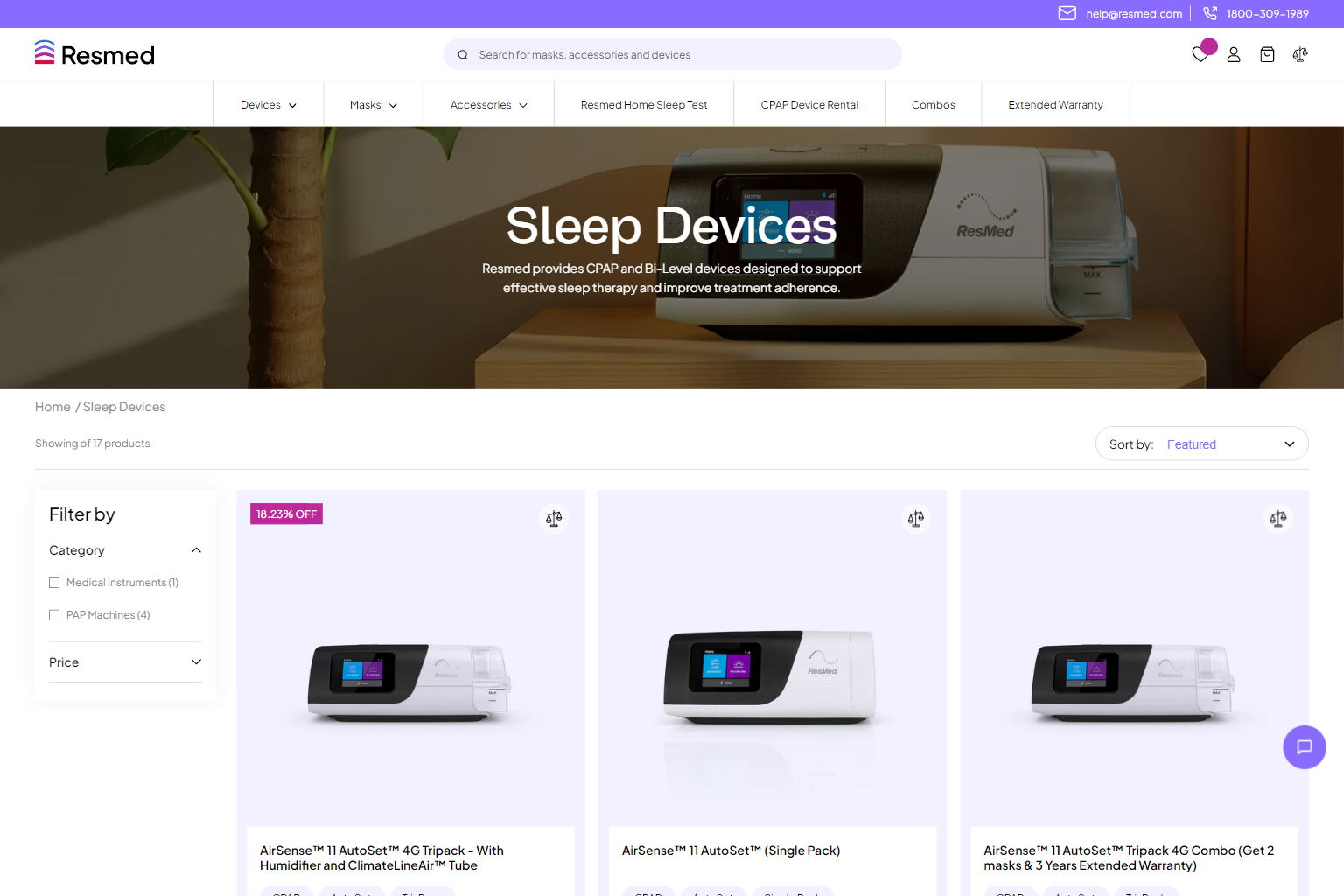
– **ResMed**
– **BMC**
– **DeVilbiss**
– **Fisher & Paykel**
Always check user reviews and ratings on e-commerce platforms and medical forums. Trustworthy brands offer superior build quality, warranties, and reliable after-sales support.
### Features to Look For
– **Smart Technology:** Features like WiFi/Bluetooth connectivity, cloud data tracking, and automatic adjustment.
– **Comfort Accessories:** Ergonomic mask designs (nasal, full-face, nasal pillows), inbuilt or attachable humidifiers, and advanced noise reduction.
—
## Where to Buy in India
### Online Platforms
– **E-commerce Sites:** Amazon, Flipkart, Medikabazaar, 1mg & PharmEasy.
– **Brand Websites:** Purchase directly from manufacturer portals for authenticity and warranty benefits.
### Local Medical Supply Stores
– **Benefit:** Personalized fitting, hands-on demonstration, and immediate assistance for troubleshooting or accessory replacement.
### Home Healthcare Services
If you’re undecided about a long-term investment, **renting is a viable option**. Providers like Portea and HealthCare atHOME offer rental services, including home setup and support.
—
## Frequently Asked Questions (FAQs)
**1. Which device is best for me?**
## Always consult your doctor or sleep specialist. Your diagnosis and comfort should dictate your choice.
**2. How do I maintain my device?**
Regularly clean masks and tubing, replace filters, disinfect humidifiers, and follow the manufacturer’s maintenance schedule.
**3. Are there hidden costs?**
Consider recurring costs for masks, filters, and accessories. Annual servicing may also be required, and out-of-warranty repairs can add up.
—
## Conclusion
When comparing **VPAP vs CPAP vs BiPAP in India (2026)**, the optimal choice depends on the type and severity of sleep apnea, user comfort, budget, and medical advice. CPAP remains a cost-effective mainstay, VPAP offers dynamic comfort, and BiPAP delivers advanced dual pressure therapy for complex cases.
Before making a purchase, **consult your healthcare provider**, explore all device options, compare trusted brands, and ensure you’re investing wisely for better sleep and health.
—
## Call to Action
Have you used a CPAP, VPAP, or BiPAP device? Are you planning to buy one soon? **Share your experiences or questions in the comments below!** Your feedback can help others make an informed decision. If you need more guidance, feel free to ask—good sleep is just a conversation away.
—
**Optimize your sleep. Invest in your health. Choose wisely in 2026!**
