
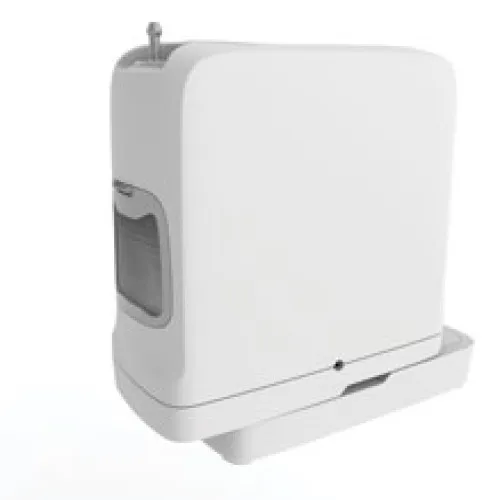


Oxygen Concentrator Filter Cleaning in Under 10 Minutes

Doing proper oxygen concentrator filter cleaning takes less time than making a cup of tea, yet it’s the single most skipped step in home oxygen therapy across India. A blocked filter forces the compressor to work harder, reduces oxygen purity, and is one of the leading causes of premature machine failure — and the fix takes under 10 minutes with things you already have at home.
Why Filter Cleaning Can’t Be Skipped
Every oxygen concentrator draws in room air continuously, and the external foam filter is the first barrier that stops dust, pet hair, and airborne particles from reaching the internal compressor and sieve beds. In Indian households — especially in dustier cities or homes near construction — this filter clogs faster than most manufacturer manuals assume. A blocked filter restricts airflow, makes the compressor run hotter and louder, and can measurably lower the oxygen purity being delivered to the patient, even if the machine looks like it’s running normally.
What You’ll Need
- Lukewarm water
- Mild soap or hand wash (no detergent, bleach, or alcohol-based cleaners)
- A clean, dry towel or cloth
- 10 minutes, and a well-ventilated spot to air-dry the filter
Step-by-Step: Oxygen Concentrator Filter Cleaning in Under 10 Minutes
- Switch off and unplug the concentrator. Never clean any part while the machine is powered on.
- Locate the external foam filter. On most home units (Philips, DeVilbiss, BPL, Nidek, Oxymed) it sits on the back or side panel and can be popped out without tools — check your manual if unsure.
- Gently remove the filter by sliding or unclipping it — avoid pulling or stretching the foam, as tears reduce its filtering ability.
- Rinse under lukewarm running water to loosen visible dust, then wash gently with a drop of mild soap, working it through the foam with your fingers.
- Rinse thoroughly until no soap residue remains — leftover soap can affect airflow and irritate anyone sensitive to fragrance.
- Squeeze out excess water gently — do not wring or twist the foam, as this can permanently distort its shape.
- Air-dry completely on a clean towel, away from direct sunlight, for at least 2–3 hours (ideally, clean it in the morning so it’s dry by evening). A damp filter refitted too early can encourage mould growth inside the unit.
- Refit the dry filter firmly into its slot and confirm it clicks or sits flush before switching the machine back on.
How Often Should You Clean It?
| Home Environment | Recommended Cleaning Frequency |
|---|---|
| Standard household, low dust, AC room | Once a week |
| Homes with pets or open windows | Every 3–4 days |
| Near construction sites or high-traffic roads | Every 2–3 days |
| Machine used 20+ hours/day continuously | Every 3–5 days regardless of environment |
Mistakes to Avoid While Cleaning the Filter
- Using hot water — it can warp or degrade the foam material faster than lukewarm water.
- Refitting a damp filter — this is the most common mistake and directly encourages mould and bacterial growth inside the machine.
- Using bleach, alcohol, or strong detergents — these can leave residues that get pulled into the air pathway.
- Ignoring cracks or tears — a damaged filter should be replaced immediately, not reused. Replacement foam filters cost roughly ₹150–₹400 depending on the brand and are worth keeping a spare of at home.
- Forgetting internal filters exist — the external foam filter is only the first stage; internal HEPA and bacterial filters need professional replacement during annual servicing and aren’t something to attempt at home.
Signs Your Filter Needs Cleaning Right Now
You don’t always have to stick strictly to a calendar — watch for these signs that cleaning is overdue: the machine sounds louder or more strained than usual, it feels warmer to the touch than normal, the low-purity alarm activates more frequently, or you can visibly see grey dust build-up on the foam when you check it. If you’re also managing broader upkeep of your machine, our detailed oxygen concentrator maintenance guide on the Oxygen4India blog covers the weekly, monthly, and yearly schedule in full.
If you’re shopping for a new unit or comparing models before buying, browse the full range of oxygen concentrators on Oxygen4India — most listings include filter replacement cost and service network details.
The Mayo Clinic notes that home medical equipment used for respiratory support should be kept clean and well-maintained according to manufacturer guidance, since equipment hygiene directly affects the safety of oxygen therapy.
Frequently Asked Questions
Can I clean the oxygen concentrator filter with just water, no soap?
Yes, for light dust, plain lukewarm water is enough. For visible grime or a slightly greasy build-up, a drop of mild soap gives a deeper clean, as long as you rinse it out completely afterward.
How do I know if the filter is too damaged to clean and needs replacing?
If you notice tears, thinning patches, permanent discolouration that doesn’t wash out, or a crumbling texture, replace the filter rather than continuing to clean it. Damaged foam no longer filters effectively.
Can I use a hairdryer to speed up drying the filter?
It’s not recommended, especially on heat settings, as it can shrink or warp the foam. Air-drying naturally for 2–3 hours in a ventilated spot is safer and preserves the filter’s shape.
Is filter cleaning different for a portable oxygen concentrator (POC)?
The principle is the same, but POCs often have smaller, more delicate filters and sometimes a second internal filter. Always check your specific POC’s manual, since some models require dry wiping only rather than washing.
Disclaimer: This article is for general informational purposes only and does not replace professional medical or technical advice. Always refer to your device’s manufacturer manual and consult your doctor or an authorised service technician for concerns about your specific concentrator.
