


Normal SpO2 Level by Age: Full Chart and When to Worry

If you’ve just checked a family member’s finger with a pulse oximeter, you’re probably asking the same question millions of Indians ask every winter flu season: what is a normal oxygen level SpO2, and does it change with age? The short answer is that a healthy person of almost any age should read between 95% and 100% on a pulse oximeter, but the “safe floor” shifts slightly for newborns, the elderly, and people with chronic lung disease.
SpO2 stands for peripheral capillary oxygen saturation — essentially, the percentage of haemoglobin in your blood that is carrying oxygen. A pulse oximeter clipped onto your fingertip shines two wavelengths of light through the skin and calculates this percentage in seconds. It’s non-invasive, painless, and since the COVID-19 pandemic, it has become a standard home health gadget in Indian households, sitting next to the thermometer and BP monitor.
What Is a Normal Oxygen Level (SpO2)?
For a healthy adult breathing normal room air at sea level, a normal oxygen level SpO2 reading is 95% to 100%. Readings of 94% are usually considered borderline-acceptable but worth rechecking, while anything at or below 92% needs prompt medical attention unless a doctor has already told you a lower number is your personal baseline (common in COPD patients).
It’s important to remember that SpO2 is a snapshot, not a diagnosis. A single low reading could be caused by cold fingers, nail polish, poor circulation, or simply moving the finger while measuring. Always take two or three readings, a few minutes apart, while sitting still and breathing normally.
Normal SpO2 Level by Age: Full Chart
The table below summarises the accepted normal oxygen level SpO2 ranges across different age groups, based on clinical guidance used in Indian hospitals and international bodies such as the WHO and NHS.
| Age Group | Normal SpO2 Range | Watch / Borderline | Seek Medical Help |
|---|---|---|---|
| Newborns (0–28 days) | 95%–100% (after first 10 min of life) | 90%–94% | Below 90% |
| Infants (1–12 months) | 95%–100% | 91%–94% | 90% or below |
| Children (1–12 years) | 95%–100% | 91%–94% | 90% or below |
| Teenagers (13–18 years) | 95%–100% | 91%–94% | 90% or below |
| Adults (19–64 years) | 95%–100% | 91%–94% | 90% or below |
| Older adults (65+ years) | 94%–100% (slightly lower is common) | 90%–93% | Below 90% |
| Pregnant women | 95%–100% | 91%–94% | 90% or below |
| COPD / chronic lung disease patients | 88%–92% (doctor-set target) | Below individual target | As advised by pulmonologist |
Notice that the “normal” band barely moves from infancy through late adulthood — the biggest exceptions are seniors, whose baseline can sit a point or two lower due to natural changes in lung elasticity, and patients with chronic obstructive pulmonary disease (COPD) or other advanced lung conditions, whose doctors often deliberately target 88%–92% because pushing saturation higher with oxygen therapy can actually be counterproductive for them.
Why Does SpO2 Change with Age?
Lung capacity, alveolar surface area, and the elasticity of chest muscles gradually decline after age 60–65. Combined with a higher chance of underlying conditions like heart disease, diabetes, or long-standing smoking history, this means older adults may run a slightly lower baseline SpO2 even when perfectly healthy. That’s why doctors treating elderly patients often look at trends over days rather than panicking over a single 93% reading — context matters.
In newborns, the first ten minutes after birth are physiologically different: SpO2 can be as low as 60%–70% right after delivery and climbs steadily as the baby takes its first breaths, usually stabilising above 95% within 10 minutes. Paediatricians use specific “target SpO2 by minute of life” charts for this reason, separate from the general chart above.
Common Symptoms of Low Oxygen Levels (Hypoxemia)
A pulse oximeter reading is useful, but it should always be read alongside how the person actually feels. Watch for:
- Shortness of breath or rapid, shallow breathing
- Bluish tinge to lips, fingertips, or nail beds (cyanosis)
- Confusion, dizziness, or unusual drowsiness
- Chest tightness or persistent cough
- Fast heart rate even at rest
- Extreme fatigue with normal activity
If any of these symptoms appear alongside an SpO2 reading below 92%, don’t wait — head to the nearest hospital or call emergency services immediately, especially in patients with pneumonia, asthma, COPD, or post-COVID lung involvement, which remain common causes of hypoxemia across Indian hospitals in 2026.
How to Measure SpO2 Accurately at Home
- Sit still for 5 minutes before measuring — avoid checking right after walking or climbing stairs.
- Remove nail polish, gel extensions, or artificial nails from the finger you’re testing.
- Warm cold hands first; poor peripheral circulation gives falsely low readings.
- Keep the hand relaxed and at heart level, and avoid talking during the reading.
- Wait for the number to stabilise for at least 10–15 seconds before recording it.
- Take 2–3 readings across the day if monitoring a fever, flu, or post-illness recovery.
A reliable, medical-grade pulse oximeter makes a real difference here — budget devices sold without certification can be off by 3–4 percentage points, which is exactly the margin that separates “normal” from “seek help.”
Normal SpO2 vs Warning Levels: Quick Comparison
| SpO2 Reading | Interpretation | Typical Action |
|---|---|---|
| 97%–100% | Excellent, fully normal | No action needed |
| 95%–96% | Normal for most people | Monitor if symptomatic |
| 92%–94% | Borderline / mild hypoxemia | Recheck, rest, consult doctor if it persists |
| 88%–91% | Moderate hypoxemia | Contact doctor same day; supplemental oxygen may be needed |
| Below 88% | Severe hypoxemia | Emergency medical care immediately |
When Home Oxygen Support Becomes Necessary
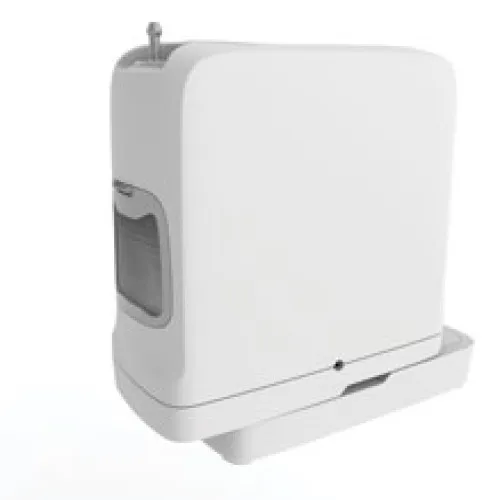
When SpO2 repeatedly drops below the safe range despite rest, medication, and doctor consultation, many Indian families turn to home oxygen concentrators as a bridge between hospital care and daily life, especially for elderly parents recovering from pneumonia or living with COPD. You can browse certified, ISO-compliant machines on our oxygen concentrator page, and read more comparison guides on the Oxygen4India blog to understand which flow rate and device size suits your situation.
According to the World Health Organization, low blood oxygen from respiratory infections remains one of the leading preventable causes of hospital admission worldwide, which is why early home monitoring with a pulse oximeter is so valuable — it buys families time to act before a crisis develops.
Price Guide: Pulse Oximeters in India (2026)
| Type | Typical Price Range (₹) | Best For |
|---|---|---|
| Basic fingertip oximeter | ₹600 – ₹1,200 | Occasional home checks |
| Certified medical-grade oximeter | ₹1,200 – ₹2,500 | Elderly, chronic patients, daily monitoring |
| Bluetooth/app-connected oximeter | ₹2,000 – ₹4,000 | Remote monitoring by family or doctor |
| Paediatric oximeter (with small sensor) | ₹1,500 – ₹3,000 | Infants and young children |
Always check for CE/ISO certification and a valid accuracy specification (±2% is standard for clinical-grade devices) before buying — this single detail matters more than brand name when the reading could influence a medical decision.
Tips to Naturally Support Healthy Oxygen Levels
- Practice deep breathing or pranayama exercises for 10 minutes daily
- Avoid smoking and minimise exposure to indoor air pollution or incense smoke
- Stay active with light walking or yoga to keep lungs working efficiently
- Sleep in a well-ventilated room, especially during Delhi-NCR’s winter smog months
- Keep chronic conditions like asthma, COPD, and heart disease well-controlled with regular checkups
Frequently Asked Questions
What is considered a normal oxygen level SpO2 for adults?
A normal oxygen level SpO2 for healthy adults is 95% to 100% when measured at rest with a properly functioning pulse oximeter. Readings between 92% and 94% are borderline and should be rechecked, while anything at or below 90% needs urgent medical evaluation.
Is 94% oxygen level okay for elderly people?
Yes, 94% can be within the acceptable range for many older adults, since lung function naturally declines slightly with age. However, if it’s a new drop from their usual baseline or accompanied by breathlessness, confusion, or fatigue, a doctor should be consulted the same day.
What SpO2 level is dangerous for a child?
For infants and children, an SpO2 reading below 90%–92% is considered dangerous and warrants immediate medical attention, especially if paired with fast breathing, chest indrawing, or bluish lips. Children can desaturate quickly during respiratory infections, so don’t wait for it to worsen.
Can a pulse oximeter give a wrong reading?
Yes. Cold fingers, nail polish, low battery, movement, and poor-quality devices can all cause inaccurate readings — usually 2%–4% off. Always retake the reading on a warm, still, clean finger, and use a certified medical-grade device for anyone with a chronic condition.
Disclaimer: This article is for general educational purposes only and is not a substitute for professional medical advice, diagnosis, or treatment. Always consult a qualified doctor regarding SpO2 readings, symptoms, or oxygen therapy decisions for yourself or a family member.
