

Low Oxygen Level Symptoms You Should Never Ignore

Low oxygen level symptoms are warning signs that your body is not getting enough oxygen to function properly, and recognising them early can genuinely save a life. Medically known as hypoxemia, low blood oxygen occurs when the SpO2 saturation in your blood drops below the healthy range of 95-100%. For Indian families managing elderly parents, COPD patients, asthma sufferers, or someone recovering from pneumonia or COVID-19, knowing these symptoms is not optional — it is essential home healthcare knowledge. This guide covers every major symptom, what causes them, how to monitor oxygen at home, and when to seek emergency care.
What Are Low Oxygen Level Symptoms?
Low oxygen level symptoms appear because your organs — especially the brain and heart — are highly sensitive to oxygen deprivation. When SpO2 (oxygen saturation) falls below 94%, the body starts compensating in visible ways. The earlier you catch these low oxygen level symptoms, the faster you can intervene with supplemental oxygen or medical treatment, preventing complications like organ damage or respiratory failure.
The Complete List of Low Oxygen Level Symptoms
Hypoxemia symptoms can range from mild to severe depending on how low the SpO2 has dropped and how quickly it happened. Here are the most common signs to watch for:
- Shortness of breath (dyspnea): Feeling breathless even at rest or with minimal activity.
- Rapid breathing: The body tries to compensate by increasing breathing rate.
- Bluish tint to lips, face, or fingernails (cyanosis): A late but serious sign of severe hypoxemia.
- Confusion or difficulty concentrating: The brain is highly oxygen-dependent, so cognitive symptoms appear early.
- Rapid heart rate (tachycardia): The heart pumps faster trying to circulate available oxygen.
- Excessive fatigue and weakness: Even simple tasks like walking to the bathroom feel exhausting.
- Headache: Especially a dull headache that worsens over hours.
- Restlessness or anxiety: A subtle but common early symptom, especially at night.
- Sweating without exertion: Cold, clammy sweating can accompany falling oxygen levels.
- Chest tightness or pain: Particularly in patients with underlying heart or lung disease.
SpO2 Levels and Symptom Severity Chart
| SpO2 Range | Severity | Typical Symptoms | Action Needed |
|---|---|---|---|
| 95% – 100% | Normal | None | No action required |
| 91% – 94% | Mild hypoxemia | Mild breathlessness, fatigue | Contact doctor, increase monitoring |
| 86% – 90% | Moderate hypoxemia | Rapid breathing, confusion, rapid heartbeat | Seek medical care promptly, oxygen therapy may be needed |
| Below 85% | Severe hypoxemia | Cyanosis, extreme confusion, chest pain | Emergency — call ambulance or go to ER immediately |
Who Is Most at Risk of Low Oxygen Levels?
Certain groups face a much higher risk of developing low blood oxygen and should monitor SpO2 regularly:
- People with COPD (Chronic Obstructive Pulmonary Disease)
- Asthma patients, especially during flare-ups
- Individuals recovering from pneumonia or COVID-19
- Patients with pulmonary fibrosis or interstitial lung disease
- People with congestive heart failure
- Elderly individuals with reduced lung capacity
- Patients with sleep apnea (oxygen dips during sleep)
- Anaemic patients, since low haemoglobin affects oxygen-carrying capacity
How to Monitor Low Oxygen Level Symptoms at Home
The most reliable way to catch low oxygen level symptoms before they become dangerous is regular monitoring with a pulse oximeter. This small clip-on device measures SpO2 within seconds and costs anywhere between ₹800 to ₹2,500 in India in 2026, depending on brand and accuracy features.
- Ensure your hands are warm and clean, and remove any nail polish before testing.
- Clip the oximeter onto a finger, ensuring a snug but not overly tight fit.
- Stay still for 10-15 seconds until the reading stabilises.
- Record the reading and repeat 2-3 times daily if advised by your doctor, or more frequently during illness.
- Track readings over time — a single low reading may be an error, but a consistent downward trend needs medical attention.
When Do Low Oxygen Level Symptoms Become a Medical Emergency?
Not every low oxygen episode is a call-the-ambulance emergency, but some signs demand immediate action. Seek emergency care right away if you notice:
- SpO2 reading below 85% on a reliable device
- Bluish discolouration of lips, tongue, or fingertips
- Severe confusion, disorientation, or loss of consciousness
- Chest pain along with breathlessness
- Breathing that is visibly laboured, with the person using neck or chest muscles to breathe
- Symptoms that worsen rapidly over minutes rather than hours
In these situations, do not wait to “see if it improves” — call for emergency medical help immediately while keeping the patient calm and, if available, starting supplemental oxygen under medical guidance.
Managing Low Oxygen Levels at Home Long-Term
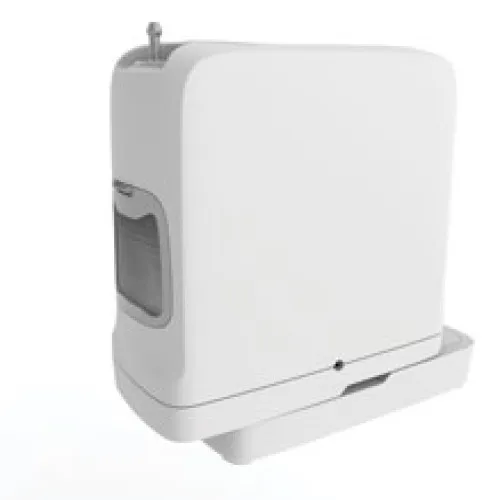
For patients with chronic conditions like COPD who experience recurring low oxygen level symptoms, doctors often prescribe long-term home oxygen therapy using an oxygen concentrator. Unlike oxygen cylinders that need frequent refilling, a concentrator draws in room air and filters it to deliver continuous 90-95% pure oxygen, making it far more practical and cost-effective for daily home use. You can explore reliable, certified options in the oxygen concentrator range at oxygen4india.com, along with accessories like pulse oximeters and nasal cannulas on our blog section for more guidance on home respiratory care.
According to the Mayo Clinic, hypoxemia can range from mild to life-threatening, and the underlying cause always needs proper medical evaluation rather than self-treatment. Regular monitoring combined with prompt medical consultation remains the safest approach for anyone at risk.
Simple Ways to Support Healthy Oxygen Levels
- Practice deep breathing exercises and pranayam regularly to improve lung capacity.
- Try proning (lying on your stomach) if advised by your doctor, especially during respiratory illness recovery.
- Stay well hydrated and maintain a diet rich in iron and antioxidants.
- Avoid smoking and minimise exposure to indoor and outdoor air pollution.
- Engage in light, doctor-approved physical activity to strengthen respiratory muscles.
- Keep a pulse oximeter at home if you or a family member has a chronic respiratory or cardiac condition.
Frequently Asked Questions
What are the earliest low oxygen level symptoms to watch for?
The earliest signs typically include mild shortness of breath, fatigue, restlessness, and a slightly faster heart rate. These can appear before SpO2 drops significantly, so regular monitoring helps catch problems early.
What SpO2 level is considered dangerously low?
An SpO2 reading below 90% is considered moderate to severe hypoxemia and requires prompt medical attention. Below 85% is a medical emergency requiring immediate care.
Can low oxygen levels be treated at home?
Mild cases can sometimes be managed at home with doctor guidance using breathing exercises and monitoring, but persistent or worsening low oxygen level symptoms usually require supplemental oxygen therapy or hospital treatment.
How can I check my oxygen level without going to a hospital?
A pulse oximeter is the easiest home tool to check SpO2 levels. It clips onto a fingertip and gives an accurate reading within seconds, making it ideal for regular home monitoring.
Disclaimer: This article is for general informational purposes only and does not constitute medical advice. Always consult a qualified doctor for diagnosis and treatment of low oxygen levels or any related health condition.
