

Why an Oxygen Concentrator is Essential During Winter Months

Why an Oxygen Concentrator is Necessary in Winters
Winter months bring with them a picturesque landscape: snow-carpeted vistas, cozy firesides, and festive gatherings. However, the cold season also introduces a range of challenges, particularly for those with respiratory issues and other health conditions. This is where the importance of oxygen concentrators becomes evident. Understanding why an oxygen concentrator is necessary in winters can help manage health more effectively when cold weather affects oxygen levels.
Understanding Oxygen Concentrators
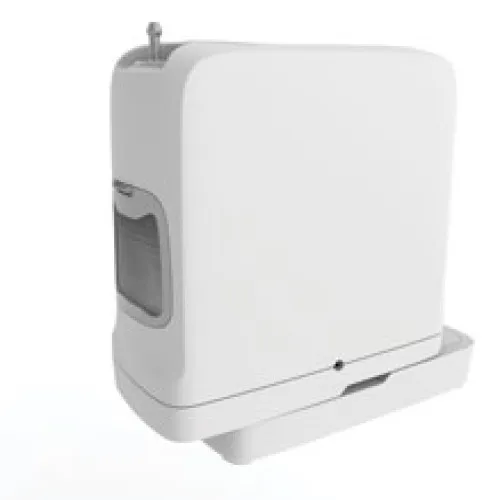
An oxygen concentrator is a medical device designed to provide supplemental oxygen to individuals whose oxygen saturation is below acceptable levels. Unlike traditional oxygen delivery systems such as compressed gas oxygen tanks, which require regular refilling, an oxygen concentrator extracts oxygen from ambient air. This air is then concentrated and delivered to the user at a higher purity level.
The device mainly consists of a compressor, sieve bed filter, circuit boards, and oxygen delivery system. The compressor draws in room air and passes it through the sieve beds, which filter out nitrogen, leaving concentrated oxygen. This streamlined operation provides a continuous supply of oxygen, making it an appealing choice for home use, particularly during the colder months when respiratory issues may intensify.
The Role of Oxygen in Human Health
Oxygen is fundamental to human health, playing a vital role in cellular respiration, the process by which cells produce energy. Proper oxygen levels are essential for maintaining physical and cognitive functions. When oxygen levels in the blood dip below normal, a condition known as hypoxemia, the risks to health increase significantly. Individuals may experience symptoms like shortness of breath, confusion, fatigue, and in severe cases, it could lead to organ dysfunction.
Low oxygen saturation can compromise overall wellbeing and is especially concerning for those with chronic respiratory conditions such as Chronic Obstructive Pulmonary Disease (COPD) or emphysema. Maintaining adequate oxygen levels is thus crucial, more so during winter, which may exacerbate these conditions due to cold air and increased respiratory infections.
Why Oxygen Needs May Increase in Winter
Winter conditions can pose a unique set of challenges for breathing, often increasing the oxygen needs of those with pre-existing respiratory issues. Cold air is denser and can irritate the airways, leading to inflammation and constriction. Individuals with conditions like asthma might find themselves more susceptible to exacerbations.
Winter is also notorious for its array of respiratory illnesses like influenza, pneumonia, and bronchitis, which can further compromise lung function. These illnesses increase the body’s demand for oxygen while simultaneously impairing its ability to effectively utilize it. Additionally, people suffering from reduced mobility are less likely to engage in physical activity during colder months, which can lead to decreased lung capacity and insufficient oxygen intake. These factors combined highlight why an oxygen concentrator is necessary in winters for those at risk.
Benefits of Using an Oxygen Concentrator During Winter
The use of an oxygen concentrator during winter can provide immense benefits by ensuring the continuous supply of oxygen, thereby alleviating respiratory difficulties. It can help reduce symptoms such as breathlessness and improve sleep quality for individuals using Continuous Positive Airway Pressure (CPAP) therapy for sleep apnea. Maintaining adequate oxygen levels also supports the immune system, enhancing the body’s ability to fend off infections prevalent in colder weather.
Oxygen concentrators offer convenience and safety, especially significant during winter months. Unlike bulky oxygen tanks, concentrators are portable and can be used in the comfort of one’s home without the need for frequent replacements. Additionally, by ensuring proper oxygen levels, individuals can reduce the risk of long-term complications associated with chronic low oxygen levels, thereby maintaining better health outcomes throughout the season.
Considerations When Choosing an Oxygen Concentrator
Selecting the right oxygen concentrator involves evaluating key features that align with the user's specific health needs, particularly in winter. Features such as adjustable flow rates are crucial; they determine how much oxygen is delivered, with values generally ranging from 1 to 10 liters per minute. For winter use, selecting a concentrator that offers higher flow rates might be necessary for acute respiratory conditions.
Another feature to consider is the type of filters used. HEPA filters can ensure that the oxygen delivered is free from allergens and pollutants, which are prevalent indoors during winter months as ventilation decreases. It’s equally important to understand the device's maintenance needs. Regular cleaning of the concentrator, especially the humidifier and the filters, is vital to prevent microbial growth due to moisture buildup.
Safety Tips for Using Oxygen Concentrators in Winter
Proper operation and safety precautions are essential to ensure efficient performance of oxygen concentrators during winter. Devices should be stored away from cold drafts and direct sources of heat to prevent condensation within the unit and potential malfunction. Care should be taken to avoid moisture accumulation by placing the concentrator on flat surfaces and allowing adequate air circulation around it.
Additionally, regular checks for wear and tear or leaks can prevent accidents. Fire safety is paramount; though the concentrator itself is not flammable, oxygen can increase the flammability of surrounding objects. Avoid using the concentrator near open flames or while smoking.
In conclusion, oxygen concentrators play a crucial role in maintaining health during the winter months by ensuring that individuals have a steady and reliable source of oxygen, which is particularly vital when air quality and respiratory conditions are compromised due to colder temperatures. Proactively managing oxygen levels can lead to improved health outcomes, making it essential for those with respiratory conditions to consider using an oxygen concentrator during winter.
Frequently Asked Questions
Why do oxygen levels drop in winter?
In winter, cold weather can lead to increased respiratory issues due to dry air and temperature changes. These factors can exacerbate conditions like asthma and COPD, resulting in lower oxygen saturation levels in individuals, making the use of an oxygen concentrator essential for maintaining adequate oxygen supply.
How does an oxygen concentrator work?
An oxygen concentrator operates by drawing in ambient air, filtering out nitrogen and other gases, and delivering concentrated oxygen to the user. Unlike traditional tanks, it doesn’t require refills and is ideal for continuous use, particularly in colder months when respiratory needs may increase.
Who needs an oxygen concentrator during winter?
Individuals with chronic respiratory conditions, heart diseases, or other health issues that require supplemental oxygen are the most likely to need an oxygen concentrator in winter. This device helps ensure they maintain adequate oxygen saturation levels despite the cold, which can worsen their health conditions.
Can an oxygen concentrator help with winter cold-related illnesses?
Yes, an oxygen concentrator can help individuals suffering from winter cold-related illnesses by providing a steady supply of oxygen. This is especially crucial for those with pre-existing conditions like chronic bronchitis or emphysema, where colder temperatures could lead to further respiratory distress.
Are there any maintenance tips for using oxygen concentrators in winter?
In winter, it’s important to keep your oxygen concentrator in a warm, dry place to prevent moisture buildup and ensure it operates effectively. Regularly check filters and connections, and ensure the device is free of dust and debris to maintain optimal performance during the colder months.
What are the benefits of using an oxygen concentrator in winter?
The benefits of using an oxygen concentrator in winter include improved oxygen saturation, enhanced mobility, and a better quality of life. This is particularly important for individuals at risk of cold-induced respiratory issues, as it allows them to engage in daily activities with less discomfort and better health management.
Is an oxygen concentrator portable for winter travel?
Yes, many modern oxygen concentrators are designed to be portable, making them suitable for winter travel. Users can enjoy outdoor activities or visit family during the holidays without compromising their oxygen needs, provided they have a charged battery or access to a power source.
