

Oxygen Concentrator vs Cylinder as an Emergency Home Backup

When a family member has a breathing condition and you need a reliable emergency backup at home, the oxygen concentrator vs oxygen cylinder decision is one of the most important calls Indian households make — and the right answer depends on how often you need oxygen, for how long, and how much you can spend upfront versus on refills.
Why Home Oxygen Backup Matters
Patients with COPD, severe asthma, post-COVID lung damage, ILD (interstitial lung disease), or heart failure often experience sudden drops in blood oxygen saturation (SpO2), especially during infections, exertion, or sleep. Having a dependable oxygen source at home — whether a concentrator or a cylinder — can be the difference between a manageable episode and a midnight ICU dash. The 2021 pandemic made this painfully clear to millions of Indian families who scrambled for oxygen cylinders when supply ran short.
How an Oxygen Concentrator Works
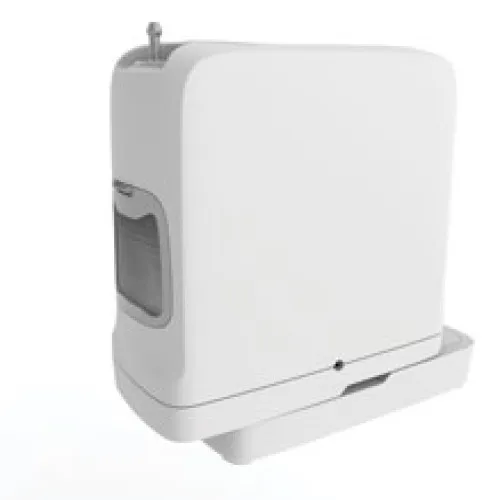
An oxygen concentrator is an electrical device that pulls in ambient room air, filters out nitrogen using a technology called pressure swing adsorption, and delivers a continuous stream of concentrated oxygen (usually 90-96% purity) to the patient through a nasal cannula or mask. Because it manufactures oxygen from the air around it, it never runs out as long as it has electricity — making it ideal for long-term, everyday use.
How an Oxygen Cylinder Works
An oxygen cylinder is a pressurised steel or aluminium tank pre-filled with medical-grade compressed oxygen gas. It requires no electricity to deliver oxygen — just a regulator and flow meter attached to the valve. However, the gas inside is finite: once it runs out, the cylinder must be refilled or exchanged at a supplier, which takes time and ongoing cost.
Oxygen Concentrator vs Oxygen Cylinder: Side-by-Side Comparison
The table below breaks down the practical oxygen concentrator vs oxygen cylinder differences that matter most for emergency home backup planning.
| Factor | Oxygen Concentrator | Oxygen Cylinder |
|---|---|---|
| Power source | Requires electricity (or battery backup) | No power needed, works anywhere |
| Oxygen supply | Unlimited, generates continuously | Fixed volume, depletes with use |
| Ideal use case | Daily/long-term therapy at home | Emergency backup, power cuts, transport |
| Upfront cost (2026) | ₹35,000 – ₹90,000 (5-10 LPM) | ₹6,000 – ₹15,000 (cylinder + regulator) |
| Ongoing cost | Electricity only (~₹150-300/month) | Refill cost ₹400-900 per fill |
| Portability | Heavier (13-25 kg); portable models available | Lightweight cylinders (2-10 L) easy to carry |
| Maintenance | Filter cleaning, annual servicing | Periodic hydro-testing, valve checks |
| Noise | Low hum (40-50 dB) | Silent |
When a Concentrator Is the Better Choice
- You need oxygen therapy daily for a chronic condition like COPD or ILD
- You want to avoid the recurring hassle and cost of refilling cylinders
- Your home has reasonably stable electricity, or you can add an inverter/battery backup
- You want a long-term investment that pays for itself within 8-14 months compared to refills
When a Cylinder Is the Better Choice
- You need a true zero-electricity emergency backup for power cuts
- You need oxygen for short, occasional use rather than daily therapy
- You need to transport oxygen during travel, ambulance transfer, or a power outage
- You want a lower upfront cost and don’t mind refill logistics
The Smartest Approach: Use Both Together
Many pulmonologists in India now recommend a hybrid setup for patients with unstable respiratory conditions: a concentrator for daily use, plus a small back-up cylinder for power outages or emergencies during transport. This combination gives you continuous oxygen most of the time, with a fail-safe when the grid goes down. If you are choosing a single home unit, a 10 LPM oxygen concentrator is a popular mid-to-high flow option for patients who need higher liter-per-minute output than a basic 5 LPM unit, particularly for two-patient households or more severe desaturation episodes.
Cost of Ownership Over One Year (2026 Estimates)
| Scenario | Concentrator (5 LPM) | Cylinder (Refilled Monthly) |
|---|---|---|
| Upfront cost | ₹45,000 | ₹8,000 |
| Monthly running cost | ~₹250 (electricity) | ~₹600 (avg. 1 refill) |
| Total cost after 12 months | ~₹48,000 | ~₹15,200 |
| Total cost after 24 months | ~₹51,000 | ~₹22,400 |
Note that cylinders become more expensive over the long run if refilled frequently, while a concentrator is a one-time purchase that keeps working with minimal ongoing spend. For occasional or short-term use, though, a cylinder remains cheaper and simpler.
Safety Considerations for Both Options
- Never place a cylinder near open flames, gas stoves, or heaters — oxygen supports combustion
- Keep concentrators in a well-ventilated area, away from walls, to allow proper air intake
- Get cylinders hydro-tested periodically as per supplier guidelines for safety compliance
- Always use a doctor-prescribed flow rate; do not self-adjust LPM settings
- Keep a spare nasal cannula and tubing on hand for either device
Explore our full range of home oxygen concentrators to compare 5 LPM, 8 LPM, and 10 LPM models suited to different patient needs, and read more buying guides on the Oxygen4India blog.
According to the World Health Organization, reliable access to medical oxygen remains a critical gap in home and emergency care globally, reinforcing why every high-risk household should have a dependable backup plan in place before an emergency strikes.
Frequently Asked Questions
Which is cheaper long-term: an oxygen concentrator or a cylinder?
A concentrator has a higher upfront cost but becomes cheaper over time since it only requires electricity, while cylinders need repeated paid refills. For daily, long-term use, a concentrator usually pays for itself within a year.
Can an oxygen concentrator work during a power cut?
No, standard concentrators need electricity. Patients on daily oxygen therapy in areas with frequent power cuts should pair a concentrator with an inverter, battery backup, or a small backup cylinder.
What LPM oxygen concentrator do I need at home?
This depends on your doctor’s prescription and SpO2 levels. Mild cases may need 3-5 LPM, while more severe conditions or households supporting two patients may require an 8-10 LPM unit. Never choose the flow rate yourself.
Is a cylinder or concentrator safer for home use?
Both are safe when used correctly. Concentrators avoid the fire risk of compressed gas but need stable power; cylinders need careful storage away from heat sources and periodic safety testing. Follow your supplier’s and doctor’s safety guidance for either.
Disclaimer: This article is for general informational purposes only and is not a substitute for professional medical advice. Please consult a qualified doctor before choosing or changing any home oxygen therapy equipment.
