Mothers in Delhi Appeal to NHRC Over Children’s Health as Air Quality Reaches Dangerous Levels
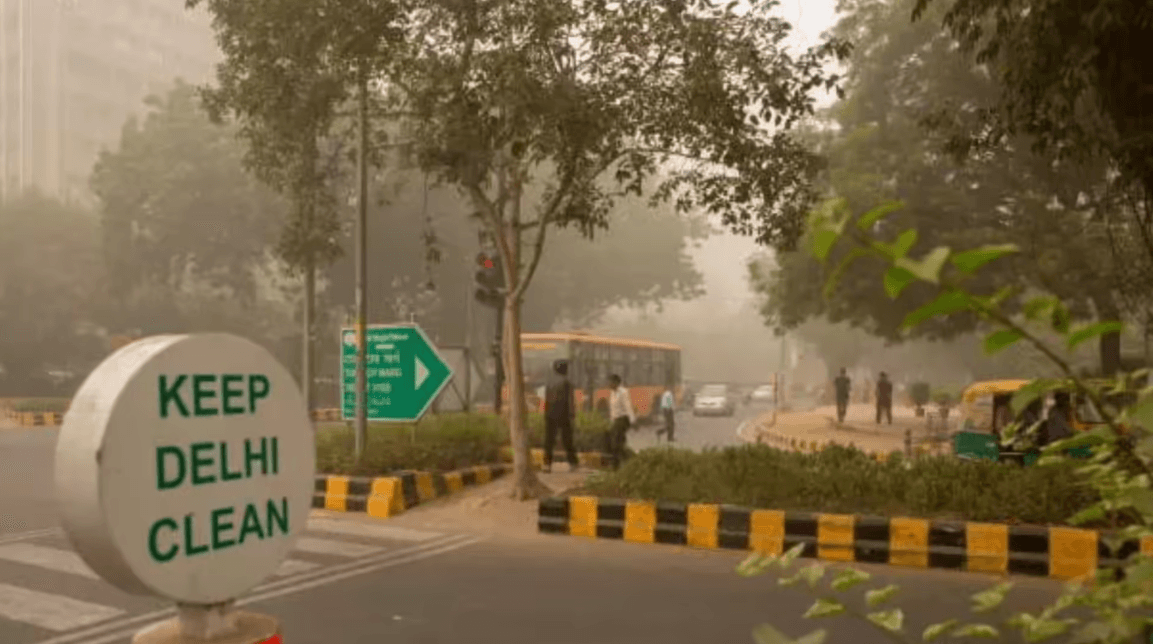
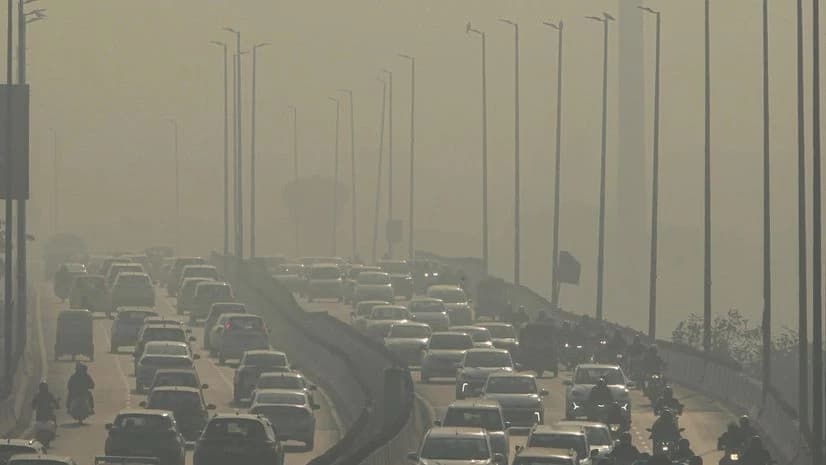
New Delhi: A collective of mothers known as Warrior Moms has urged the National Human Rights Commission to initiate suo motu proceedings over Delhi’s toxic air, describing it as a persistent yet preventable crisis that violates children’s fundamental right to life. This group warned that air quality in the capital, which frequently remains between the “very poor” and “severe” categories, amounts to an annual public-health emergency causing irreversible damage to the lungs and cognitive development of millions of children.
In their submission, Warrior Moms stressed that the youngest residents face the greatest harm, citing growing evidence that prolonged exposure to particulate pollution is linked to asthma, lower respiratory infections, reduced lung function, stunted growth, preterm births, and measurable cognitive decline. They characterised the issue as a matter of rights rather than just an environmental concern, arguing that the state is failing its constitutional duties under Articles 14 and 21 and breaching India’s international child-rights obligations.
The collective urged the commission to direct authorities at the central, state, and regulatory levels to adopt concrete child-focused safeguards, including mandatory AQI-based school-closure rules, real-time pollution alerts for parents, and filtered-air rooms with air purifiers in government and private primary schools. They also called for bans on nearby construction and demolition on high-pollution days, stricter implementation of graded response measures such as curbs on heavy vehicles and open burning, and free respiratory and developmental screenings for children in high-exposure areas.
Arguing that Delhi’s recurring winter smog, combined with emissions from transport, industry, and construction, represents systemic negligence, the petition demanded accountability and urgent interim directions, warning that every day of inaction risks lifelong harm to children’s lungs and brains. The group volunteered to provide medical data, air-quality records, and testimonies from parents and paediatricians to bolster its case.
Environmentalists associated with the initiative highlighted that air pollution has caused an estimated 1.7 million deaths in India in a single year, calling this a national emergency in which Delhi’s children are the smallest victims of a major governance failure, and insisting that authorities be held accountable for denying them the basic right to breathe. A Warrior Moms member noted that toxic air has turned childhood in Delhi into a daily health hazard and said no parent should be forced to choose between schooling and safeguarding a child’s lungs, urging the commission to treat the situation as a clear violation of children’s rights and act with commensurate urgency, especially as the city’s AQI in November stayed largely in the “poor” to “very poor” range, with several stations touching “severe” levels near 400.