

The Definitive Guide to Choosing a Portable Oxygen Concentrator

The Definitive Guide to Choosing a Portable Oxygen Concentrator
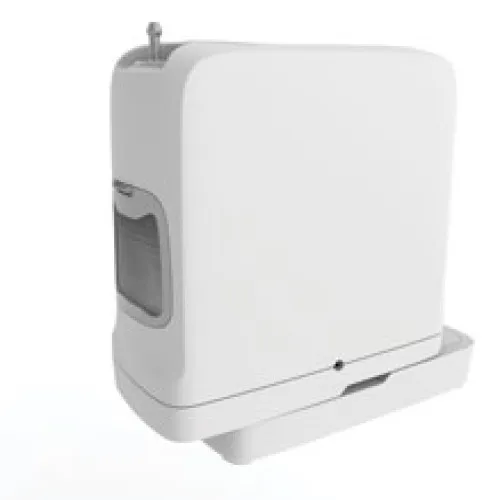
Advancements in medical technology have significantly improved the quality of life for individuals requiring respiratory support, bringing portable oxygen concentrators into the spotlight. A portable oxygen concentrator (POC) is a compact, lightweight device that provides oxygen therapy to patients on the move. Unlike traditional oxygen tanks, which store a finite amount of oxygen and require regular refilling, POCs extract and deliver oxygen from ambient air, offering virtually limitless oxygen supply. Their portability and ease of use make them a popular choice for individuals with conditions such as chronic obstructive pulmonary disease (COPD) and other lung disorders, helping maintain independence and mobility without compromising health.
Understanding Portable Oxygen Concentrators
Definition and Functionality
A portable oxygen concentrator is a medical device designed to provide supplemental oxygen to individuals who require oxygen therapy. The device utilizes a process called pressure swing adsorption to separate nitrogen from the ambient air, delivering concentrated oxygen to the user. With continuous and pulse dose options, POCs cater to varying oxygen needs, ensuring users receive efficient respiratory support.
Benefits Compared to Traditional Oxygen Tanks
Portable oxygen concentrators offer several advantages over traditional oxygen tanks. First, their compact size and lightweight design enhance user mobility and independence by eliminating the need for bulky and heavy oxygen cylinders. Second, POCs do not require frequent refilling, alleviating the logistical burden of managing oxygen supply. Furthermore, they are battery-operated, providing flexibility and convenience for travel.
Target Users and Medical Considerations
Portable oxygen concentrators are ideal for patients with chronic respiratory diseases such as COPD, pulmonary fibrosis, or other conditions that cause reduced lung function. Before selecting a POC, it is crucial to consult with a healthcare provider to ensure it meets individual oxygen requirements and aligns with any existing medical conditions. Medical professionals can offer guidance on suitable oxygen settings and usage duration to optimize health outcomes.
Key Features to Consider in a Portable Oxygen Concentrator
Size and Weight Considerations for Mobility
When selecting a portable oxygen concentrator, size and weight are critical factors affecting user mobility and convenience. Choose a model that balances portability with battery life and oxygen output needs. Devices range from compact units weighing less than five pounds to moderately bigger versions, catering to diverse lifestyles and support needs.
Battery Life and Charging Options
A POC’s battery life determines its utility, especially during travel or prolonged excursions. Consider models with long-lasting batteries and the option for external batteries to extend usage time. Additionally, charging options like AC, DC, and USB compatibility offer versatility for recharging, ensuring the device is ready for wherever the journey takes the user.
Flow Settings and Oxygen Output Levels
The ability to switch between continuous flow and pulse dose settings is a significant advantage of portable oxygen concentrators. Continuous flow provides a steady stream of oxygen, ideal for users requiring consistent levels. Pulse dose, on the other hand, is activated on inhalation, conserving battery power while delivering necessary oxygen. Ensure the chosen POC can meet the prescribed flow settings and output levels for effective therapy.
Top Portable Oxygen Concentrator Models of 2023
Overview of Leading Models on the Market
In 2023, several portable oxygen concentrator models stand out for their performance, durability, and user satisfaction:
- Inogen One G5: Known for its high oxygen output and long battery life, the Inogen One G5 is a top-rated choice, suitable for active lifestyles.
- Respironics SimplyGo: Offers both pulse dose and continuous flow settings, catering to versatile oxygen needs.
- AirSep Focus: One of the lightest models available, ideal for users prioritizing portability.
Comparison of Features, Pricing, and Performance
When comparing portable oxygen concentrators, consider factors such as oxygen delivery methods, battery life, noise levels, and maintenance requirements. For example, the Inogen One G5 offers excellent balance, while the SimplyGo provides versatility with its dual-setting capability.
Expert Reviews and User Testimonials
Experts highlight these models' efficiency in delivering consistent oxygen flow while maintaining user comfort. User testimonials frequently praise the improved quality of life and increased freedom these devices offer, with many noting the user-friendly design and substantial battery life as added benefits.
Pricing and Insurance Considerations
Understanding the Cost Range for Portable Oxygen Concentrators
Portable oxygen concentrator prices typically range from $2,000 to $5,000 depending on their features, battery life, and brand. Understanding this cost is essential for budgeting, especially considering the potential need for accessories like additional batteries or travel cases.
Insurance Coverage and Reimbursement Options
Many health insurance plans, including Medicare, may cover part or all the cost of a portable oxygen concentrator. Verification with health insurance providers is crucial to determine eligibility for coverage and reimbursement options, which can significantly alleviate financial burdens.
Affordable Solutions and Financing Options
For users not supported by insurance, many suppliers offer flexible financing plans to make portable oxygen concentrators more affordable. Additionally, refurbished units, rental programs, and government assistance options are available, ensuring that those who need these devices can acquire them.
Maintenance and Care for Your Portable Oxygen Concentrator
Routine Maintenance Practices for Optimal Performance
Proper maintenance is vital for the longevity and performance of portable oxygen concentrators. Regularly clean the device exterior and filters, replacing filters at the manufacturer’s recommended intervals. Always refer to the user manual for specific cleaning instructions and maintenance schedules.
Troubleshooting Common Issues
Common issues with POCs may include reduced oxygen output or battery failures. Regularly check battery status and ensure connections are secure. If problems persist, consult the troubleshooting section of the manual or contact customer service for guidance.
Manufacturer Recommendations and Support Services
Following manufacturer guidelines is crucial for maintaining warranty coverage and device functionality. Many manufacturers offer support services, including online resources, customer helplines, and authorized service centers for repairs or technical assistance.
Real-Life Experiences: Testimonials and User Reviews
First-Hand Accounts from Users of Portable Oxygen Concentrators
Users consistently report that portable oxygen concentrators have significantly enhanced their mobility and autonomy. Many highlight the freedom to travel and engage in daily activities without being bound by stationary oxygen equipment as a life-changing experience.
Impact on Quality of Life and Mobility
Portable oxygen concentrators are instrumental in improving users' quality of life. By enabling easier participation in social, recreational, and routine tasks, they help reduce feelings of dependency and social isolation typically associated with respiratory ailments.
Common Challenges and How Users Overcome Them
Challenges such as battery management and adjusting to device usage are common. Users often integrate charging routines into daily schedules and carry spare batteries to avert interruptions in oxygen therapy. Support groups and online forums also serve as valuable resources for sharing tips and solutions.
Future Trends in Portable Oxygen Concentrator Technology
Innovations Driving the Next Generation of Models
Emerging technologies promise to enhance portable oxygen concentrators further, incorporating features like artificial intelligence for respiratory pattern monitoring and optimized automatic flow settings for tailored oxygen therapy.
The Role of Digital Health Integration
Integrating portable oxygen concentrators with digital health platforms allows real-time data sharing with healthcare providers, improving monitoring and adjusting of therapies. This connectivity streamlines patient management, leading to better health outcomes.
Anticipated Market Developments and Emerging Players
The portable oxygen concentrator market is witnessing growth with new entrants offering innovative products. Anticipated developments include devices with improved battery efficiency, lighter frames, and advanced personalization features to meet diverse patient needs.
In conclusion, selecting the right portable oxygen concentrator is a critical decision that significantly affects user independence and health improvement. By considering essential features, financial aspects, and user experiences, individuals can choose a POC that best suits their lifestyle and medical requirements. Technological advances continue to fortify the role of POCs in empowering patients, fostering improved well-being and an enhanced quality of life.
Frequently Asked Questions
What is a Portable Oxygen Concentrator?
A Portable Oxygen Concentrator (POC) is a medical device that provides supplemental oxygen to individuals with respiratory conditions. Unlike traditional tanks, POCs extract oxygen from ambient air, offering a continuous supply without the need for frequent refills. They are designed for mobility and ease of use, making them ideal for patients who need oxygen therapy on the go.
How does a Portable Oxygen Concentrator work?
A Portable Oxygen Concentrator works by taking in ambient air and using a series of filters and compressors to separate oxygen from other gases. The purified oxygen is then delivered to the patient through a nasal cannula or mask. Unlike oxygen tanks, POCs operate continuously and can provide a steady flow of oxygen without the limitations of stored gas.
Who can benefit from using a Portable Oxygen Concentrator?
Individuals with respiratory conditions such as chronic obstructive pulmonary disease (COPD), emphysema, or lung disorders who require supplemental oxygen can benefit from using a Portable Oxygen Concentrator. POCs allow for increased mobility and independence, enabling patients to carry out daily activities without being tethered to stationary oxygen tanks.
What are the advantages of using a Portable Oxygen Concentrator?
The advantages of using a Portable Oxygen Concentrator include portability, convenience, and the ability to deliver a continuous supply of oxygen. POCs are lightweight and battery-operated, allowing users to stay active and travel freely. Additionally, they eliminate the need for refilling oxygen tanks, which can enhance the overall quality of life for patients.
How do I choose the right Portable Oxygen Concentrator for my needs?
Choosing the right Portable Oxygen Concentrator involves considering factors such as oxygen flow rate, battery life, weight, and features like pulse dose versus continuous flow. It’s essential to consult with a healthcare provider to assess your specific oxygen needs and lifestyle requirements, ensuring you select a POC that suits your mobility and usage patterns.
Can I travel with a Portable Oxygen Concentrator?
Yes, you can travel with a Portable Oxygen Concentrator. Most POCs are designed for portability and have battery power options, making them suitable for travel by car, plane, or train. Always check airline regulations and inform your carrier beforehand to ensure a smooth travel experience. It’s also advisable to carry extra batteries and a backup device if needed.
How often should I clean my Portable Oxygen Concentrator?
Cleaning your Portable Oxygen Concentrator regularly is crucial for optimal performance. Generally, it’s recommended to clean the exterior and filters once a week, while the nasal cannula or mask should be replaced or cleaned every few days. Refer to the manufacturer’s guidelines for specific cleaning instructions to maintain your device and ensure it’s working effectively.
