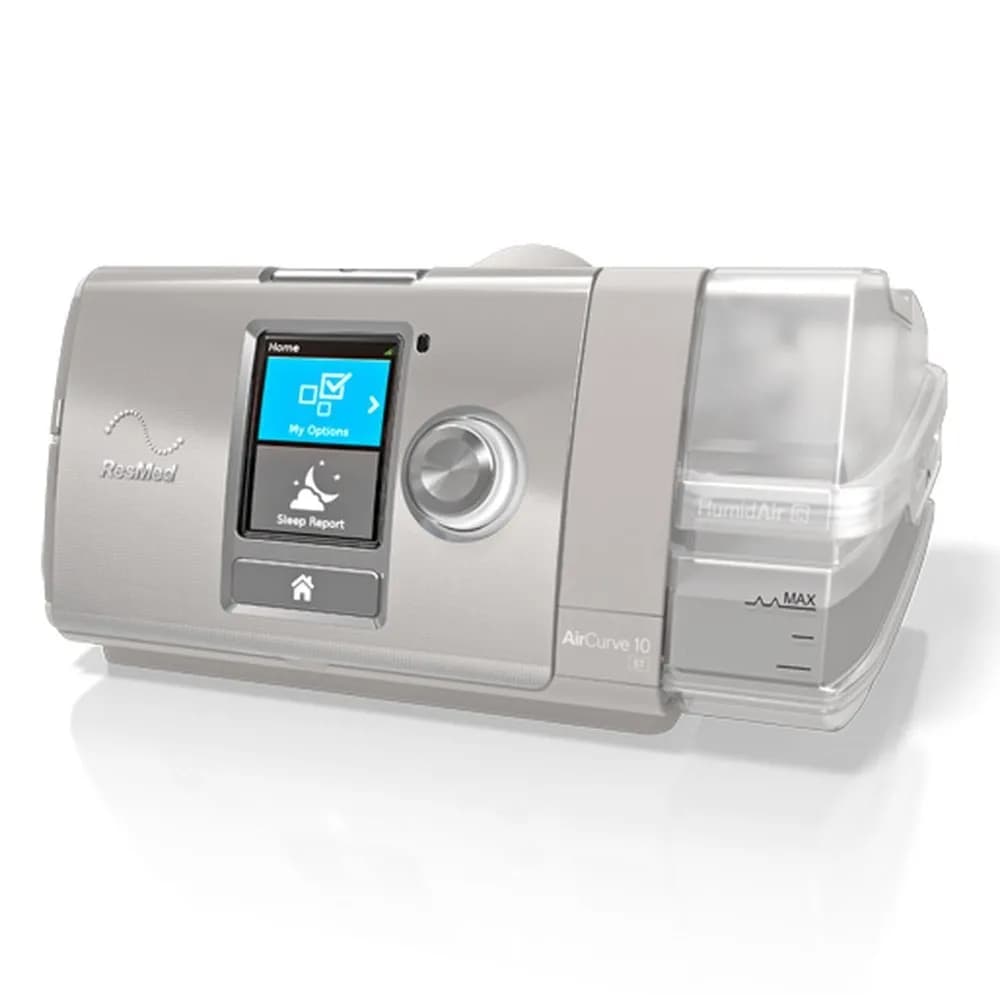
How to Safely Buy CPAP & BiPAP Machines Online in India
To buy CPAP & BiPAP machines online refers to the process of procuring certified continuous or bilevel positive airway pressure devices and accessories through verified e-commerce platforms using a medical prescription. Navigating this process online allows you to access specialized respiratory equipment tailored for conditions like obstructive sleep apnea (OSA) and chronic respiratory failure directly from your home. At Oxygen4India, we provide patients, hospitals, and clinics across India with certified medical equipment, sleep apnea management solutions, and professional support to make your online purchase accurate, compliant, and seamless.
When you select the right positive airway pressure (PAP) system, you restore restorative sleep patterns, protect your long-term cardiovascular health, and prevent severe nighttime hypoxia. Modern e-commerce platforms offer a wide variety of advanced devices, but buying respiratory equipment requires strict adherence to clinical parameters, prescription requirements, and ongoing device maintenance. Understanding how to evaluate machine specifications, compare operational modes, and select genuine accessories ensures you receive maximum clinical benefit from your home sleep therapy.
What is sleep apnea therapy equipment and how do CPAP and BiPAP machines work?
Sleep apnea therapy equipment comprises medical-grade positive airway pressure devices designed to keep a patient's upper respiratory tract open during sleep by delivering continuous or dual-level streams of filtered air. These machines prevent upper airway collapse, eliminating obstructive sleep apnea events, hypopneas, and dangerous nocturnal oxygen desaturations.
       +-------------------------------------------------------+
       |             Air Intake & Fine Particle Filter          |
       +-------------------------------------------------------+
                                   |
                                   v
       +-------------------------------------------------------+
       |            Internal Motor / Micro-Blower              |
       +-------------------------------------------------------+
                                   |
                                   v
       +-------------------------------------------------------+
       |         Integrated Heated Humidifier Chamber          |
       +-------------------------------------------------------+
                                   |
                                   v
       +-------------------------------------------------------+
       |                 ClimateLine Heated Tubing             |
       +-------------------------------------------------------+
                                   |
       +---------------------------+---------------------------+
       |                                                       |
       v                                                       v
[ Fixed / Auto CPAP ]                                  [ BiPAP / BiPAP ST ]
Constant or auto-adjusting                             Delivers higher IPAP (e.g. 12–25 cm H2O)
pressure (4–20 cm H2O)                                 and lower EPAP (e.g. 4–10 cm H2O)
throughout inhalation & exhalation.                    for complex respiratory conditions.
       |                                                       |
       +---------------------------+---------------------------+
                                   |
                                   v
       +-------------------------------------------------------+
       |         Sealed Interface (Nasal / Full-Face)          |
       +-------------------------------------------------------+
Obstructive sleep apnea affects over 104 million adults in India, according to clinical data published in the Lancet Respiratory Medicine. Positive airway pressure therapy serves as the non-invasive gold standard for treating this condition. Oxygen4India supplies fully certified sleep therapy equipment to help you manage your treatment under medical guidance.
The primary functional difference between these devices lies in their pressure delivery mechanics:
- CPAP (Continuous Positive Airway Pressure): Delivers a single, constant column of pressurized air set between 4 and 20 cm $\text{H}_2\text{O}$ throughout both inhalation and exhalation.
- BiPAP (Bilevel Positive Airway Pressure): Alternates between two distinct pressure levels—a higher Inspiratory Positive Airway Pressure (IPAP, typically 8–30 cm $\text{H}_2\text{O}$) when you breathe in, and a lower Expiratory Positive Airway Pressure (EPAP, typically 4–12 cm $\text{H}_2\text{O}$) when you breathe out.
CPAP devices work best for straightforward obstructive sleep apnea. BiPAP devices cater to patients who require higher pressure settings above 15 cm $\text{H}_2\text{O}$, those with exhaling difficulty against high CPAP pressure, or patients diagnosed with central sleep apnea, chronic obstructive pulmonary disease (COPD), or neuromuscular conditions.
What are the key clinical factors to evaluate before you buy cpap & bipap machines online?
Before you buy CPAP & BiPAP machines online, you must evaluate clinical parameters including a current titration prescription, pressure delivery ranges, integrated heated humidification, motor sound output, and cloud-based data logging capabilities. These features ensure your equipment matches your doctor's orders while remaining comfortable.
       +-------------------------------------------------------+
       |           Polysomnography (Sleep Study)               |
       +-------------------------------------------------------+
                                   |
                                   v
       +-------------------------------------------------------+
       |          Pulmonologist Titration Prescription         |
       |     (e.g., Fixed CPAP, APAP 8–14, or BiPAP 14/8)      |
       +-------------------------------------------------------+
                                   |
                                   v
       +-------------------------------------------------------+
       |        Clinical Evaluation Checklist for Purchase     |
       |  - Pressure Range (4-20 cm H2O vs 4-30 cm H2O)        |
       |  - Integrated Heated Humidifier & Climate Tubing       |
       |  - Motor Sound Output (<30 dBA for silent sleep)      |
       |  - Automated Data Logging (SD / Cellular / App)       |
       +-------------------------------------------------------+
Medical Prescription and Sleep Study Data
You should never purchase sleep therapy equipment without a comprehensive overnight sleep study (polysomnography) and a written prescription from a qualified pulmonologist or sleep specialist. The sleep study determines your Apnea-Hypopnea Index (AHI). An AHI score of 5 to 15 indicates mild apnea, 15 to 30 indicates moderate apnea, and over 30 indicates severe sleep apnea. Your prescription specifies whether you require a fixed CPAP, an Auto-CPAP (APAP), or a Bilevel device, along with precise pressure settings measured in cm $\text{H}_2\text{O}$.
Essential Comfort and Noise Features
Patient adherence drops significantly if a device causes nasal dryness or disrupts sleep with motor noise. When reviewing product specifications online, check for these critical features:
- Integrated Heated Humidifier: Air delivered under pressure dries out nasal passages. Built-in heated humidifiers keep humidity levels between 80% and 85%, preventing mucosal irritation, congestion, and nosebleeds.
- Ramp Settings: A ramp feature starts the machine at a low pressure (often 4 cm $\text{H}_2\text{O}$) and gradually increases it to your prescribed level over 5 to 45 minutes, allowing you to fall asleep comfortably.
- Expiratory Relief Technology: Known as EPR (Expiratory Pressure Relief) or SmartFlex, this feature drops pressure by 1 to 3 cm $\text{H}_2\text{O}$ during exhalation to make breathing feel more natural.
- Decibel Levels: Look for ultra-quiet motors operating at or below 27 to 30 dBA (decibels A-weighted), ensuring the machine remains virtually silent for you and your bed partner.
Compliance Data Tracking and Remote Monitoring
Modern PAP devices store daily usage metrics, air leak rates, residual AHI, and median pressure levels. Devices equipped with SD card slots, Bluetooth connectivity, or integrated cellular modems upload your sleep data automatically to mobile applications. These connectivity options allow your treating physician to review your therapy compliance remotely and adjust your pressure settings without requiring an in-person clinic visit.
Which CPAP and BiPAP machine types and accessories match your prescription?
To match your prescription accurately, you must select between fixed-pressure CPAP, auto-adjusting APAP, standard BiPAP, or BiPAP ST devices, while pairing them with compatible masks, tubing, and fine particle filters. Selecting the right combination guarantees proper seal pressure, minimal air leaks, and optimal respiratory support.
+-----------------------------------------------------------------------------------+
|                            SELECTING YOUR DEVICE TYPE                             |
+-----------------------------------------------------------------------------------+
|  Fixed-Pressure CPAP   | Single fixed pressure (e.g. 10 cm H2O) for standard OSA   |
|  Auto-CPAP (APAP)      | Dynamic range (e.g. 6-14 cm H2O) self-adjusts per breath  |
|  Standard BiPAP (S)    | Dual fixed levels (IPAP/EPAP) for high-pressure needs     |
|  BiPAP ST / Auto-BiPAP | Dual levels + backup breathing rate for complex conditions |
+-----------------------------------------------------------------------------------+
                                         |
                                         v
+-----------------------------------------------------------------------------------+
|                          SELECTING YOUR MASK INTERFACE                            |
+-----------------------------------------------------------------------------------+
|  Nasal Pillow Mask     | Minimal contact; fits nostrils; best for low/medium APAP |
|  Nasal Mask            | Covers entire nose; reliable seal for pressures up to 15  |
|  Full-Face Mask        | Covers nose & mouth; ideal for mouth-breathers & BiPAP   |
+-----------------------------------------------------------------------------------+
                                         |
                                         v
+-----------------------------------------------------------------------------------+
|                        ADDING CERTIFIED ACCESSORIES                               |
+-----------------------------------------------------------------------------------+
|  - Heated Tubing (prevents condensation build-up / "rainout")                      |
|  - Hypoallergenic Fine Particle Filters (blocks dust, pollen, ambient allergens) |
|  - Distilled Water Chamber (prevents mineral scaling and bacterial buildup)       |
+-----------------------------------------------------------------------------------+
Categorizing Device Types
Sleep therapy devices fall into distinct categories designed for specific respiratory profiles:
- Fixed-Pressure CPAP: Delivers one continuous pressure setting across the entire night. It provides a reliable, budget-friendly solution for straightforward obstructive sleep apnea where pressure needs remain constant.
- Auto-Adjusting CPAP (APAP): Features internal algorithms that detect airway resistance on a breath-by-breath basis. The machine automatically adjusts pressure within a preset range (for example, 6 to 14 cm $\text{H}_2\text{O}$) to match changes in sleep position and sleep stage.
- Standard BiPAP (S Mode): Delivers distinct IPAP and EPAP pressures triggered entirely by your natural breathing rhythm. This mode benefits patients who require high pressure support or suffer from pulmonary disorders.
- BiPAP ST (Spontaneous/Timed): Combines spontaneous breath sensing with a safety backup respiratory rate. If you stop breathing for a set number of seconds, the machine automatically initiates a breath to maintain ventilation. This mode is critical for central sleep apnea, hypoventilation syndromes, and neuromuscular disorders.
Essential Mask Types and Accessories
A therapy system requires both a motor unit and a well-fitted mask interface. Oxygen4India carries a comprehensive range of items within its CPAP & BiPAP Accessories catalog to complement your machine:
- Nasal Pillow Masks: Insert soft silicone cushions directly into your nostrils. They offer a minimal contact profile that suits active sleepers and patients who wear glasses, though they work best at pressures below 12 cm $\text{H}_2\text{O}$.
- Nasal Masks: Enclose your entire nose to provide stable pressure distribution across a wide area. They work comfortably across high CPAP pressure ranges.
- Full-Face Masks: Cover both your nose and mouth. They prevent pressure loss through an open mouth, making them necessary for mouth breathers and high-pressure BiPAP prescriptions.
- Heated Tubing and Filters: Heated air hoses keep airflow temperatures uniform, preventing moisture condensation inside the tube (a problem known as "rainout"). High-efficiency, hypoallergenic air filters trap airborne particulates, dust, and environmental allergens before they reach your lungs.
How to compare CPAP vs. BiPAP vs. Auto-APAP specifications side by side?
You can compare CPAP, BiPAP, and Auto-APAP specifications side by side by analyzing their operational pressure ranges, primary medical indications, comfort algorithms, and average market costs in India. Evaluating these technical differences side by side helps you select the exact device type recommended by your doctor.
+------------------+-----------------------+--------------------+-----------------------+
| FEATURE / SPEC   | FIXED CPAP            | AUTO-APAP          | BIPAP / BIPAP ST      |
+------------------+-----------------------+--------------------+-----------------------+
| Pressure Range   | 4 - 20 cm H2O (Fixed) | 4 - 20 cm H2O      | 4 - 25/30 cm H2O      |
|                  |                       | (Dynamic Auto)     | (Dual IPAP / EPAP)    |
+------------------+-----------------------+--------------------+-----------------------+
| Primary Clinical | Standard Obstructive  | Dynamic OSA, REM/  | COPD, High-Pressure   |
| Indication       | Sleep Apnea (OSA)     | Positional Apnea   | Intolerance, CSA      |
+------------------+-----------------------+--------------------+-----------------------+
| Pressure         | Constant continuous   | Breath-by-breath   | High on inhalation,   |
| Delivery         | output                | auto-titration     | low on exhalation     |
+------------------+-----------------------+--------------------+-----------------------+
| Comfort Features | Basic Ramp,           | Advanced Ramp,     | Adjustable TiMin/     |
|                  | Expiratory Relief     | Expiratory Relief  | TiMax, Rise Time      |
+------------------+-----------------------+--------------------+-----------------------+
| Price Range      | ₹25,000 - ₹45,000     | ₹35,000 - ₹65,000  | ₹65,000 - ₹1,60,000   |
| (INR approx.)    |                       |                    |                       |
+------------------+-----------------------+--------------------+-----------------------+
The comparison table below details the performance specifications and clinical applications across all three PAP device categories:
| Feature / Specification | Fixed CPAP Machines | Auto-Adjusting APAP | BiPAP & BiPAP ST Machines |
|---|---|---|---|
| Operational Pressure | 4 – 20 cm $\text{H}_2\text{O}$ (Single Fixed) | 4 – 20 cm $\text{H}_2\text{O}$ (Variable Dynamic) | IPAP: 4 – 30 cm $\text{H}_2\text{O}$ / EPAP: 4 – 15 cm $\text{H}_2\text{O}$ |
| Best Clinical Fits | Straightforward OSA with stable single pressure needs | Positional OSA, fluctuating pressure needs, light sleepers | High pressure demands (>15 cm $\text{H}_2\text{O}$), COPD, overlap syndrome, CSA |
| Expiratory Comfort | Fixed level EPR (1–3 cm $\text{H}_2\text{O}$ drop) | Dynamic breath-by-breath pressure relief | Independent EPAP setting for lower exhalation resistance |
| Advanced Controls | Basic Ramp timer (5–45 min) | Auto-Ramp with sleep onset detection | Adjustable Rise Time, TiMin/TiMax, Backup Rate (ST) |
| Approximate Price Range | ₹25,000 – ₹45,000 | ₹35,000 – ₹65,000 | ₹65,000 – ₹1,60,000 |
Option 1: Fixed CPAP Machines
Fixed CPAP units maintain one continuous pressure setting throughout the night. They work well for patients who require low to moderate pressures (under 10 cm $\text{H}_2\text{O}$) and whose airway resistance remains constant regardless of sleep position or sleep stage.
Option 2: Auto-Adjusting APAP Machines
Auto-APAP devices automatically adjust airflow in response to snore sensors and pressure transducers. They deliver lower pressures when you sleep on your side and increase pressure when you roll onto your back or enter REM sleep, providing balanced comfort throughout the night.
Option 3: BiPAP / BiPAP ST Machines
BiPAP systems provide separate inhalation and exhalation pressures, making breathing easier if you require high pressure levels or suffer from chronic lung conditions. BiPAP ST models include a timed backup feature, delivering forced breaths if your respiratory rate drops below clinical safety thresholds.
How to safely order and set up your respiratory equipment from Oxygen4India?
To safely order and set up your respiratory equipment from Oxygen4India, you must submit your clinical prescription online, select a compatible device and mask, and follow step-by-step setup instructions upon delivery. This structured process guarantees your device arrives correctly configured and ready for home use.
+-----------------------------------------------------------------------------------+
| STEP 1: UPLOAD CLINICAL PRESCRIPTION & SLEEP STUDY REPORT                         |
| Submit your medical documentation directly through our secure online portal.      |
+-----------------------------------------------------------------------------------+
                                         |
                                         v
+-----------------------------------------------------------------------------------+
| STEP 2: CONSULTATION & EQUIPMENT SELECTION                                         |
| Review recommended models with specialized product team assistance.               |
+-----------------------------------------------------------------------------------+
                                         |
                                         v
+-----------------------------------------------------------------------------------+
| STEP 3: DISPATCH & EXPRESS DELIVERY ACROSS INDIA                                  |
| Receive verified, brand-new equipment delivered directly to your home or facility.|
+-----------------------------------------------------------------------------------+
                                         |
                                         v
+-----------------------------------------------------------------------------------+
| STEP 4: HOME SETUP, TITRATION VERIFICATION & HYGIENE INIT                         |
| Unbox, assemble, fill distilled water chamber, and perform mask-fit testing.     |
+-----------------------------------------------------------------------------------+
Step 1: Secure Your Prescription and Diagnostic Reports
Obtain a written prescription and overnight sleep titration report from your doctor. Ensure the prescription states your recommended operating mode (CPAP, APAP, or BiPAP), exact pressure limits, and mask type preference.
Step 2: Select Your Machine and Mask System
Browse the catalog of verified respiratory devices on Oxygen4India. Upload your medical documents securely during checkout so our staff can verify that your selected model matches your doctor's clinical orders.
Step 3: Unbox, Assemble, and Perform Initial Setup
Once your unit arrives, complete the following initial setup steps:
- Placement: Place the machine on a flat, level nightstand surface lower than your head position, maintaining at least 12 inches of clear space around the air intake vents.
- Water Chamber Installation: Fill the humidifier chamber up to the maximum fill line using distilled or demineralized water. Slide the chamber into the side heating dock until it clicks into place.
- Hose and Power Connections: Plug the power cord into a surge-protected electrical outlet. Connect one end of your standard or heated tubing to the machine's air outlet port and the other end to your mask swivel connector.
- Mask Fitting: Place the headgear over your head and position the cushion against your face. Adjust the upper and lower velcro straps evenly until you achieve an airtight seal without pinching your skin. Turn on the device mask-fit feature to test for leaks around your nose and eyes.
What are the best practices for maintaining your sleep therapy equipment to ensure longevity?
Best practices for maintaining your sleep therapy equipment include daily washing of your mask cushion and water chamber with distilled water, monthly filter replacements, and bi-weekly inspections of headgear elasticity. Following a routine cleaning schedule prevents bacterial contamination, protects motor performance, and extends device life.
       +-------------------------------------------------------+
       |               DAILY MAINTENANCE ROUTINE               |
       |  - Wash mask cushion with mild soap & warm water       |
       |  - Empty unused chamber water; refill with distilled   |
       +-------------------------------------------------------+
                                   |
                                   v
       +-------------------------------------------------------+
       |              WEEKLY MAINTENANCE ROUTINE               |
       |  - Soak air tubing & headgear in warm soapy water     |
       |  - Rinse black reusable foam filter (if equipped)      |
       +-------------------------------------------------------+
                                   |
                                   v
       +-------------------------------------------------------+
       |              MONTHLY & PERIODIC REPLACEMENTS          |
       |  - Replace fine white disposable filters (2-4 weeks)   |
       |  - Replace worn silicon cushions (3-6 months)         |
       |  - Order new headgear & tubing via Oxygen4India        |
       +-------------------------------------------------------+
Rigorous hygiene preserves equipment functionality and prevents upper respiratory infections. Regular maintenance protects sensitive internal motor components from micro-particulates and mineral deposits:
- Daily Hygiene: Wash your mask cushion and silicone seals every morning using warm water and mild, non-fragranced dish soap to remove facial oils. Empty any remaining water from the humidifier chamber daily, rinse it thoroughly, and let it air-dry away from direct sunlight. Never leave standing tap water inside the chamber, as dissolved minerals form hard scaling that damages the internal heating plate.
- Weekly Tubing and Filter Care: Disconnect your flexible air tubing and submerge it in warm, soapy water once a week. Swish the water through the hose, rinse thoroughly, and hang it over a towel rack to dry completely before reattachment. If your device uses reusable black foam air filters, rinse them under running water weekly and let them dry before reinstalling.
- Replacing Disposable Supplies: Replace white fine-particle disposable filters every 14 to 30 days, or sooner if they turn gray. Inspect your mask headgear, silicone cushions, and flexible tubing every 3 to 6 months for stretching, cracks, or air leaks. Order genuine replacement parts through Oxygen4India to maintain an airtight seal and ensure consistent therapeutic performance.
Conclusion
Selecting the correct sleep therapy equipment requires careful consideration of your doctor's prescription, comfort features, and long-term maintenance needs. Buying your CPAP, Auto-APAP, or BiPAP machine online gives you access to advanced devices featuring integrated humidification, dynamic pressure algorithms, and cloud compliance tracking. Partnering with a reliable supplier ensures you receive genuine, medical-grade equipment backed by dependable home delivery and professional customer support.
At Oxygen4India, we help patients, hospitals, and medical professionals across India access certified respiratory devices, sleep apnea supplies, and expert support. Whether you are setting up home sleep therapy for the first time or replacing an existing device, our team is ready to guide you toward the right solution. For personalized advice on selecting the best equipment for your prescription, WhatsApp an expert today.