The Best Oxygen Concentrators to Buy in India: Complete Expert Selection Guide
Finding the best oxygen concentrators to buy is a decision that directly impacts patient recovery, comfort, and clinical outcomes for individuals requiring continuous or supplemental medical oxygen. At Oxygen4India, we provide patients, hospitals, and clinics across India with certified medical-grade oxygen concentrators engineered for safe home recovery and demanding healthcare environments. Whether you need a heavy-duty 10 LPM unit or a lightweight travel companion, selecting the right respiratory equipment requires a clear understanding of device mechanics, clinical prescriptions, and performance standards.
What is an oxygen concentrator and how does it work?
An oxygen concentrator is a certified medical device that draws ambient air, extracts nitrogen, and delivers purified medical-grade oxygen exceeding 90% purity to patients requiring supplemental respiratory support. It operates continuously using electrical power or rechargeable batteries, eliminating the need for periodic cylinder refilling.
       [ Ambient Room Air ]  (~21% Oxygen, 78% Nitrogen)
                 │
                 ▼
       [ Intake Dust Filter ]
                 │
                 ▼
       [ Internal Compressor ]  (Pressurizes Air)
                 │
                 ▼
  ┌──────────────┴──────────────┐
  │  Pressure Swing Adsorption  │  (Zeolite Sieve Beds strip
  │         (PSA) System        │   Nitrogen at 90-95% efficiency)
  └──────────────┬──────────────┘
                 │
                 ▼
       [ Oxygen Storage Tank ]
                 │
                 ▼
       [ Bacteria Filter ]
                 │
                 ▼
  [ Continuous or Pulse Flow Delivery ]  (93% ± 3% Pure O2 to Patient)
The underlying technology relies on Pressure Swing Adsorption (PSA). Room air typically consists of approximately 78% nitrogen, 21% oxygen, and 1% trace gases. The device uses an internal compressor to force room air through synthetic zeolite sieve beds. Under pressure, zeolite selectively traps nitrogen molecules while allowing pure oxygen to pass into a storage reservoir. The trapped nitrogen is then safely vented back into the room during the depressurization cycle.
According to research published by the National Institutes of Health (NIH), PSA systems maintain precise oxygen purities between 90% and 96%, fulfilling standard clinical requirements for long-term oxygen therapy (LTOT).
Patients can receive oxygen through two distinct delivery mechanisms:
- Continuous-Flow Delivery: Delivers a constant stream of oxygen at a fixed liter rate (LPM) regardless of whether you are inhaling or exhaling. This mode is mandatory for pediatric care, severe clinical cases, and nocturnal therapy.
- Pulse-Dose Delivery: Utilizes sensitive pressure sensors to detect your inhalation onset, delivering a precise "bolus" or burst of oxygen only when you inhale. This conserves battery power and allows for significantly smaller, portable device designs.
At Oxygen4India, every unit in our inventory undergoes rigorous quality verification to guarantee continuous high-purity output for patients across India.
Which types of oxygen concentrators are available on the market?
The primary types of oxygen concentrators available on the market include stationary home concentrators designed for continuous high-output indoor use and portable oxygen concentrators (POCs) built for mobile, battery-powered operation. Choosing between them depends on your daily mobility needs and medical prescription parameters.
┌─────────────────────────────────────────────────────────────────┐
│              OXYGEN CONCENTRATOR CLASSIFICATIONS                │
└────────────────────────────────────────┬────────────────────────┘
                                         │
                 ┌───────────────────────┴───────────────────────┐
                 ▼                                               ▼
┌─────────────────────────────────┐             ┌─────────────────────────────────┐
│    Stationary Home Units        │             │   Portable Concentrators (POCs) │
├─────────────────────────────────┤             ├─────────────────────────────────┤
│ • Continuous Flow (1–10 LPM)    │             │ • Pulse Dose / Hybrid Flow      │
│ • AC Mains Powered (220V/50Hz)  │             │ • Rechargeable Li-ion Batteries │
│ • Heavy-Duty (13kg – 25kg)      │             │ • Ultra-Lightweight (2kg – 5kg) │
│ • Bedridden & Nocturnal Care    │             │ • Travel & Outdoor Mobility     │
└─────────────────────────────────┘             └─────────────────────────────────┘
Home Stationary Oxygen Concentrators
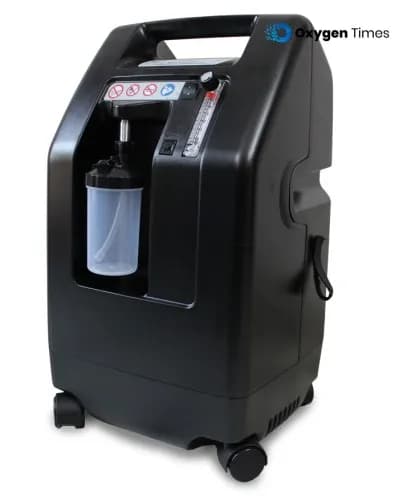
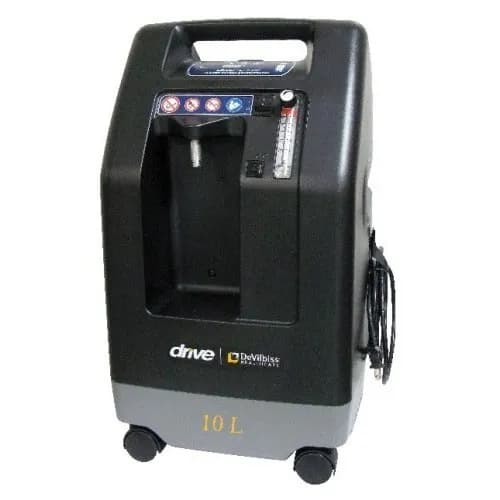
Stationary devices are engineered for maximum therapeutic output and long hours of continuous operation. Operating on standard 220V domestic electrical supply, these units typically weigh between 13 kg and 25 kg and come equipped with heavy-duty caster wheels for easy movement between rooms.
- Flow Capacity: Available in standard 5 LPM (Liters Per Minute) and high-capacity 10 LPM configurations.
- Target Application: Ideal for bedridden patients, severe COPD sufferers, chronic respiratory failure, and hospital or clinical ward settings requiring uncompromised continuous-flow delivery.
Portable Oxygen Concentrators (POCs)
Portable oxygen concentrators are compact, lightweight units ranging from 2 kg to 5 kg. Powered by internal lithium-ion batteries, external DC car adapters, or standard AC outlets, these devices offer freedom of movement for active oxygen users.
- Flow Capacity: Primarily pulse-dose mechanisms (settings 1 to 6), though select advanced models offer continuous flow up to 2 LPM.
- Target Application: Designed for outdoor activity, errands, social engagements, and air or road travel.
What are the key buying criteria to consider before purchasing?
Key buying criteria to consider before purchasing an oxygen concentrator include the required oxygen flow rate capacity, target purity percentage, overall unit portability, noise emission rating, and long-term maintenance requirements. Evaluating these factors ensures your device matches your clinical prescription precisely.
When selecting the best oxygen concentrators to buy for home or clinical environments, evaluate these primary physical and mechanical criteria carefully:
- Oxygen Flow Rate (LPM): Your pulmonologist will prescribe a specific flow rate based on your arterial blood gas (ABG) analysis or pulse oximetry readings ($SpO_2$). Standard mild-to-moderate conditions require 1 to 5 LPM, whereas advanced fibrosis, severe COPD, or acute post-COVID recovery may require up to 10 LPM continuous flow.
- Oxygen Purity & Pressure Stability: Ensure the machine delivers medical-grade purity of 93% ± 3% across its entire flow range. Lower-quality units often experience a drop in purity when adjusted from 2 LPM up to 5 LPM. Look for integrated visual purity indicators (OSD) and outlet pressures between 5 PSI and 12 PSI to overcome long tubing resistance.
- Portability & Power Flexibility: If you move frequently, check the physical dimensions, weight, battery duration (minimum 2 to 4 hours per battery module), and dual AC/DC power options.
- Decibel Rating (Noise Level): For continuous night-time use, select a machine with operational noise levels below 45 dBA to prevent sleep disruption.
- Maintenance & Servicing Access: Inspect the filter accessibility. High-quality devices use easily washable outer sponge filters alongside replaceable internal HEPA intake filters that require swapping every 1,500 to 3,000 operational hours.
How do home stationary and portable oxygen concentrators compare?
Home stationary oxygen concentrators compare directly to portable models by offering higher flow capacity, continuous-flow mechanics, and wall-power operation, whereas portable models prioritize light weight, battery operation, and mobile pulse-dose delivery. Reviewing these mechanical differences helps determine which system fits your care requirements.
+--------------------------+-------------------------------+-------------------------------+
| Feature / Attribute      | Stationary Home Concentrators | Portable Concentrators (POCs) |
+--------------------------+-------------------------------+-------------------------------+
| Primary Oxygen Flow Mode | Continuous Flow (1 - 10 LPM)  | Pulse Dose (Settings 1 - 6)   |
| Device Weight Range      | 13 kg to 25 kg                | 1.8 kg to 4.8 kg              |
| Power Source             | 220V AC Wall Outlet Only      | AC / DC / Li-ion Battery      |
| Average Battery Life     | N/A (Requires UPS for backup) | 2.5 to 8 Hours (Dual Pack)    |
| Portability Level        | In-home (Caster Wheels)       | High (Shoulder Bag / Trolley) |
| Operating Noise Level    | 40 dBA to 52 dBA              | 37 dBA to 45 dBA              |
| Price Bracket (INR)      | ₹35,000 - ₹95,000             | ₹1,35,000 - ₹2,50,000         |
+--------------------------+-------------------------------+-------------------------------+
The table above details how performance specifications divide across categories. Patients requiring non-stop nighttime oxygen therapy or high-volume delivery over 5 LPM rely on stationary units. Active patients who commute or travel rely on portable models to maintain independence.
At Oxygen4India, customers can browse both stationary and portable product lines to match exact medical specifications and lifestyle preferences.
What is the price range and total cost of ownership for oxygen concentrators in India?
The price range for oxygen concentrators in India spans from ₹35,000 for standard 5 LPM home units to over ₹2,500,000 for advanced imported portable concentrators. Total cost of ownership includes initial hardware purchases alongside ongoing electrical consumption, filter replacements, and auxiliary clinical supplies.
       [ INITIAL INVESTMENT ]
  ┌──────────────┴──────────────┐
  │  5 LPM Unit: ₹35k - ₹55k    │
  │  10 LPM Unit: ₹65k - ₹95k   │
  │  POC Unit: ₹135k - ₹250k    │
  └──────────────┬──────────────┘
                 │
                 ▼
     [ RECURRING OPERATING COSTS ]
  ┌──────────────┴──────────────┐
  │ Electricity (~280W - 600W)  │
  │ Intake Filters (1,500 hrs)  │
  │ Cannulas & Bubbler Bottles  │
  │ Sieve Beds (2 - 4 Years)    │
  └─────────────────────────────┘
Market Price Segments
- Entry-Level 5 LPM Home Units: ₹35,000 to ₹55,000. These continuous-flow machines cater to mild-to-moderate respiratory conditions.
- Heavy-Duty 10 LPM Home Units: ₹65,000 to ₹95,000. Engineered for high-flow requirements, double-canister setups, or dual-patient output using splitter valves.
- Portable Oxygen Concentrators (POCs): ₹1,35,000 to ₹2,50,000+. Premium mobile devices featuring smart pulse-dose sensors and lithium-ion battery modules.
Total Cost of Ownership Factors
Beyond the sticker price, calculate these recurring expenses:
- Electricity Consumption: A standard 5 LPM machine consumes approximately 280W to 350W per hour, while a 10 LPM machine consumes 550W to 600W per hour. Running a 5 LPM machine for 12 hours daily consumes roughly 3.8 to 4.2 kWh (units) of electricity per day.
- Consumables & Wear Items:
- Nasal Cannulas & Tubing: Replace every 2 to 4 weeks (₹150 – ₹450 each).
- Bubble Humidifier Bottles: Replace every 1 to 3 months (₹300 – ₹800 each).
- Cabinet & HEPA Air Filters: Replace every 6 to 12 months (₹1,000 – ₹2,500 per set).
- Zeolite Sieve Bed Replacement: Over 15,000 to 20,000 operating hours, sieve beds gradually lose nitrogen adsorption efficiency. Replacing molecular sieves costs between ₹8,000 and ₹18,000 depending on the model.
For short-term rehabilitation, palliative care, or post-surgical recovery, outright purchases are not always necessary. Oxygen4India offers flexible rental plans across major Indian metro cities, delivering fully sanitized, calibrated 5 LPM and 10 LPM devices directly to your home.
How to choose and set up your oxygen concentrator safely at home?
To choose and set up your oxygen concentrator safely at home, obtain an exact prescription from a pulmonologist, select a compatible device model, position it in an open area with adequate ventilation, connect all humidification and tubing lines securely, and check flow indicators prior to use.
Setting up medical oxygen equipment requires strict adherence to safety protocol and medical guidance. Follow these four precise steps:
┌─────────────────────────────────────────────────────────────────┐
│                 FOUR-STEP SAFE SETUP PROTOCOL                   │
└────────────────────────────────────────┬────────────────────────┘
                                         │
  ┌──────────────────────────────────────┴──────────────────────┐
  │ STEP 1: Obtain Written Clinical Prescription (LPM & Hours)  │
  └──────────────────────────────────────┬──────────────────────┘
                                         │
  ┌──────────────────────────────────────┴──────────────────────┐
  │ STEP 2: Match Machine Capacity to Prescribed Target LPM     │
  └──────────────────────────────────────┬──────────────────────┘
                                         │
  ┌──────────────────────────────────────┴──────────────────────┐
  │ STEP 3: Position Device 1 to 2 Feet Away From Walls/Objects │
  └──────────────────────────────────────┬──────────────────────┘
                                         │
  ┌──────────────────────────────────────┴──────────────────────┐
  │ STEP 4: Fill Humidifier, Attach Tubing, Set Flow & Power On │
  └─────────────────────────────────────────────────────────────┘
Step 1: Secure a Clinical Prescription
Obtain a precise prescription from a registered pulmonologist. The prescription must state your target oxygen flow rate (e.g., 2 LPM continuous), $SpO_2$ target range (e.g., 88%–92%), and required daily duration (e.g., 16 hours daily or nocturnal only).
Step 2: Match Model Capabilities
Select a stationary or portable unit that comfortably delivers your prescribed LPM without straining the engine. If your prescription calls for 4 LPM continuous flow, select a 5 LPM or 10 LPM unit rather than running a 4 LPM-rated machine at its absolute maximum capacity continuously.
Step 3: Prepare the Installation Environment
Position the concentrator in a well-ventilated room at least 1 to 2 feet (30 cm to 60 cm) away from walls, furniture, curtains, and thermal insulation. Blocked air intake vents cause internal motor overheating and premature component failure.
Keep oxygen equipment at least 5 feet (1.5 meters) away from open flames, gas stoves, electrical heaters, candles, and sparks. Oxygen acts as an accelerant; do not smoke or use petroleum-based creams (like petroleum jelly) near operating equipment.
Step 4: Assemble Accessories and Power On
Fill your bubble humidifier bottle to the "MAX" line using distilled or demineralized water (do not use tap water, as mineral scale clogs oxygen outlets). Screw the bottle securely to the oxygen outlet port, attach your nasal cannula tubing, plug the machine into a dedicated wall outlet backed by a voltage stabilizer or UPS system, turn on the power switch, and adjust the flow meter knob until the center of the indicator ball aligns with your prescribed LPM line.
What accessories and complementary respiratory equipment should you consider?
Accessories and complementary respiratory equipment to consider include replacement nasal cannulas, extension tubing, humidifier bottles, intake HEPA filters, pulse oximeters, and supportive CPAP or BiPAP therapy devices. Maintaining fresh, high-quality accessories ensures smooth airflow, precise monitoring, and hygienic treatment.
       [ INTEGRATED RESPIRATORY CARE ECOSYSTEM ]
                           │
       ┌───────────────────┼───────────────────┐
       ▼                   ▼                   ▼
┌───────────────┐   ┌───────────────┐   ┌───────────────┐
│ O2 Delivery   │   │  Monitoring   │   │ Sleep Therapy │
├───────────────┤   ├───────────────┤   ├───────────────┤
│ • Cannulas    │   │ • Pulse Ox    │   │ • CPAP        │
│ • Humidifiers │   │ • Flowmeters  │   │ • BiPAP       │
│ • Extension   │   │ • ABG Line    │   │ • Full-Face   │
│   Tubing      │   │   Sensors     │   │   Masks       │
└───────────────┘   └───────────────┘   └───────────────┘
Essential Oxygen Accessories
- Nasal Cannulas: Soft, soft-touch vinyl prongs designed to minimize nostril chafing during extended usage.
- Kink-Resistant Oxygen Tubing: Standard 7-foot to 25-foot crush-resistant extensions that allow comfortable movement around bedrooms or living rooms.
- Bubble Humidifier Bottles: Diffuser bottles equipped with safety relief valves to add moisture to dry oxygen gas, preventing nasal passage drying and nosebleeds.
- Replacement Filter Kits: Synthetic dust pre-filters and micro-particle intake filters designed to catch airborne dust, pollen, and bacteria before air enters the zeolite sieves.
Monitoring & Sleep Apnea Equipment
- Fingertip Pulse Oximeters: Essential diagnostic tools that give instant, real-time measurements of arterial oxygen saturation ($SpO_2$) and heart rate.
- CPAP & BiPAP Therapy Devices: Many patients suffering from Chronic Obstructive Pulmonary Disease (COPD) or Severe Obstructive Sleep Apnea (OSA) require dual treatment combining Positive Airway Pressure (PAP) therapy with supplemental oxygen bleed-in adapters.
To facilitate holistic clinical recovery, Oxygen4India stocks a complete line of respiratory care products, including CPAP and BiPAP machines, specialized PAP masks, manual and motorized wheelchairs, and certified accessory replacement kits delivered across India.
Securing Reliable Respiratory Care Across India
Choosing the right respiratory support system involves carefully weighing clinical requirements, flow capacity, continuous purity guarantees, and lifestyle mobility. By consulting your physician, calculating daily operating costs, and establishing a safe home environment, you ensure long-term, therapeutic oxygen delivery for yourself or your loved ones.
Whether you need to purchase a heavy-duty 10 LPM oxygen concentrator, rent a 5 LPM home unit for short-term recovery, or acquire advanced CPAP/BiPAP sleep therapy equipment, Oxygen4India offers verified medical technology supported by dedicated technical service.
Ready to find the ideal oxygen concentrator tailored to your clinical prescription? Contact our team of medical equipment specialists today—WhatsApp an expert.