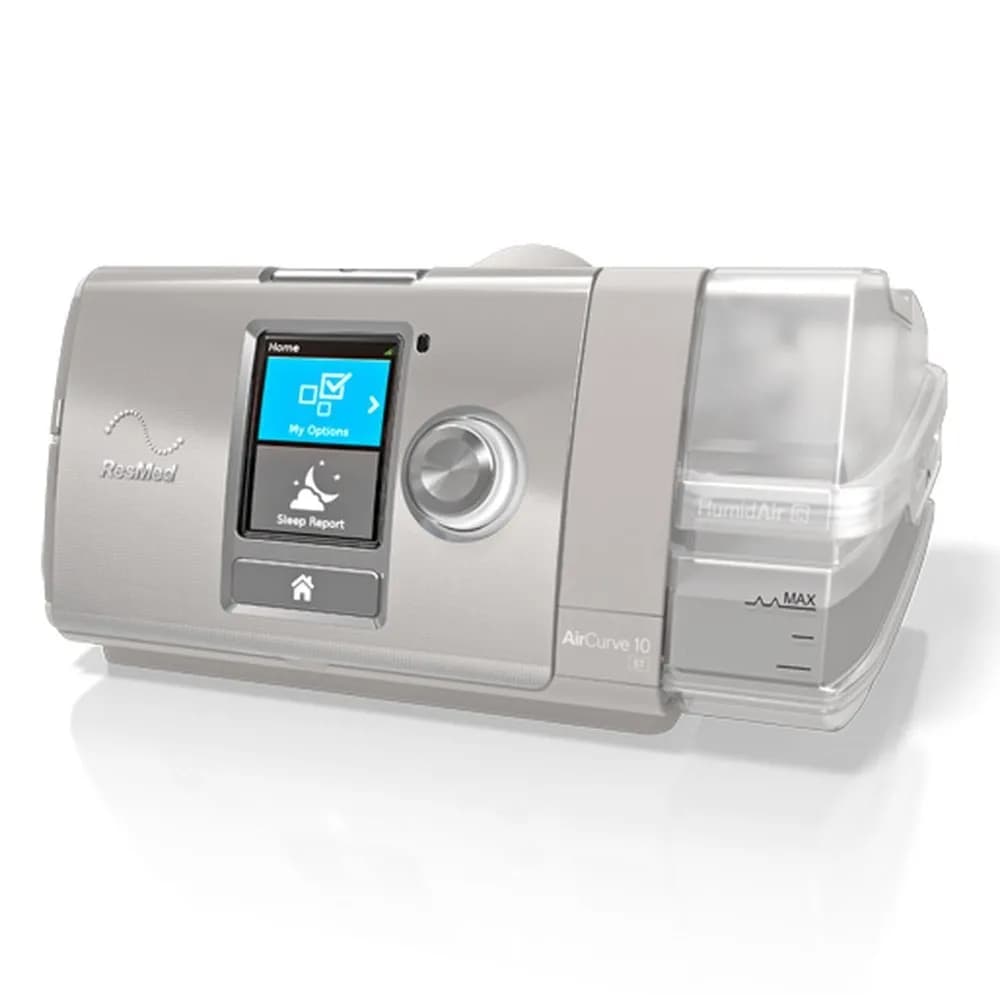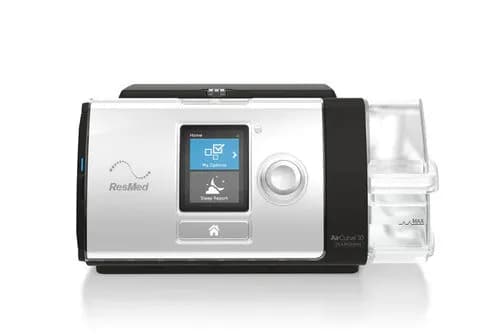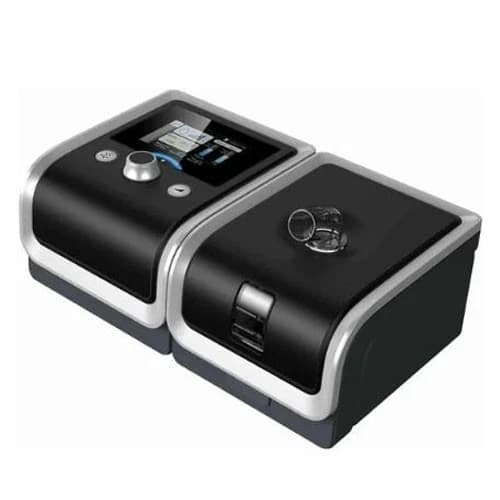
The Best CPAP & BiPAP Machines to Buy in India: Expert Selection Guide
Identifying the best cpap & bipap machines to buy refers to selecting clinically validated, prescription-matched positive airway pressure devices designed to treat obstructive sleep apnea, chronic obstructive pulmonary disease (COPD), and respiratory failure. At Oxygen4India, we deliver certified medical equipment and comprehensive support to help you navigate your therapy options confidently. Selecting the right sleep and respiratory technology is critical for restoring healthy sleep patterns and protecting long-term cardiovascular health.
Sleep-disordered breathing affects millions of individuals across India, yet thousands remain undiagnosed or under-treated due to equipment confusion. Modern therapy devices now feature automatic pressure adjustments, heated humidifiers, and advanced data-logging software. By understanding your specific prescription requirements, you can choose a reliable device that ensures maximum comfort and long-term compliance.
What is a CPAP and BiPAP machine and how do they treat sleep and respiratory disorders?
CPAP and BiPAP machines treat sleep and respiratory disorders by delivering pressurized ambient air into your upper airway, preventing physical tissue collapse during sleep and supporting compromised lung function. These certified medical devices maintain open airways, eliminate micro-arousals, restore healthy blood oxygen saturation levels, and prevent long-term cardiovascular complications associated with chronic nighttime hypoxia.
Continuous Positive Airway Pressure (CPAP) devices deliver a constant, single level of air pressure throughout your entire sleep cycle. This constant pneumatic splint keeps the soft tissues in your throat from collapsing, providing an effective solution for uncomplicated Obstructive Sleep Apnea (OSA). According to clinical guidelines published by the American Academy of Sleep Medicine, continuous pressure therapy significantly reduces daytime sleepiness and lowers hypertension risks in diagnosed patients.
Bilevel Positive Airway Pressure (BiPAP) systems deliver two distinct, synchronized pressure settings:
- IPAP (Inspiratory Positive Airway Pressure): A higher pressure delivered when you inhale to assist weak respiratory muscles.
- EPAP (Expiratory Positive Airway Pressure): A lower pressure delivered when you exhale, making exhalation natural and effortless.
BiPAP technology benefits patients who require high treatment pressures above 15 cm H₂O, those living with Chronic Obstructive Pulmonary Disease (COPD), or individuals diagnosed with central sleep apnea and respiratory muscle weakness. Acquiring certified equipment from trusted providers like Oxygen4India ensures that your device meets stringent clinical safety standards, providing stable pressure outputs for home care across India.
Which key features should you look for when choosing a sleep therapy device?
You should look for auto-adjusting pressure algorithms, integrated heated humidification, exhalation relief settings, and comprehensive cellular or SD-card data tracking features. These core capabilities ensure your sleep therapy device automatically adapts to your nightly physiological changes while maintaining high therapy comfort and providing readable compliance reports for your attending pulmonologist.
When evaluating devices, analyze the primary pressure settings to determine if a fixed CPAP or an Auto CPAP (APAP) fits your lifestyle. APAP machines utilize internal sensors to monitor breath-by-breath resistance, automatically increasing pressure when you enter REM sleep or turn onto your back, and lowering pressure during stable breathing phases. This dynamic adjustment prevents unnecessary high-pressure exposure throughout the night.
Key Comfort Technologies to Evaluate:
├── Auto-Adjusting Pressure (APAP/Auto-BiPAP)
├── Integrated Heated Humidifier & Heated Tubing
├── Expiratory Pressure Relief (EPR / Flex / SmartRamp)
└── Advanced Data Telemetry (Bluetooth / Cellular / SD Card)
Exhalation comfort mechanisms—often designated as EPR, Flex, or SmartRamp depending on the manufacturer—temporarily drop delivered pressure by 1 to 3 cm H₂O the moment you begin exhaling. This feature reduces chest resistance and prevents early therapy abandonment. Furthermore, integrated heated humidifiers warm and moisten the incoming air stream, eliminating dry nasal passages, morning throat soreness, and airway congestion.
Data tracking is equally vital for clinical management. Modern machines record your Apnea-Hypopnea Index (AHI), leak rates, and total usage hours onto removable SD cards or internal cellular modems. You can sync this data with smartphone applications to monitor your daily progress and share detailed compliance reports directly with your sleep physician.
What are the core differences between CPAP and BiPAP machines?
The core differences between CPAP and BiPAP machines reside in their pressure delivery mechanisms, clinical indications, device software complexity, and overall market cost. CPAP provides one continuous pressure level suitable for straightforward sleep apnea, whereas BiPAP offers dual inspiratory and expiratory pressure settings designed for complex pulmonary conditions.
Standard CPAP devices remain the frontline therapy for mild to severe obstructive sleep apnea. They are simple to operate, highly durable, and cost-effective for everyday home use. However, if you experience difficulty exhaling against a high fixed pressure, or if your doctor diagnoses you with overlap syndrome (combined OSA and COPD), a standard CPAP may cause respiratory fatigue.
Standard BiPAP devices incorporate advanced microprocessors that monitor your respiratory rate and sync effortlessly with your natural breathing cycle. Some advanced BiPAP models include a backup respiratory rate feature, which automatically initiates a breath if your body forgets to inhale during central sleep apnea events.
| Comparison Feature | Standard CPAP / Auto CPAP | Standard BiPAP / Auto BiPAP |
|---|---|---|
| Primary Indication | Obstructive Sleep Apnea (OSA) | COPD, Central Apnea, Complex OSA, Respiratory Failure |
| Pressure Delivery | Single fixed or auto-adjusting continuous pressure | Dual pressures: High IPAP (Inspiration), Low EPAP (Expiration) |
| Pressure Range | 4 to 20 cm H₂O | 4 to 25 or 30 cm H₂O |
| Price Range in India | ₹25,000 to ₹65,000 | ₹65,000 to ₹1,60,000+ |
| Device Complexity | Standard algorithm, simple user menu | Multi-mode settings (S, T, ST, VAPS), complex sync controls |
| Exhalation Resistance | Reduced via basic relief features (1–3 cm H₂O drop) | Significantly reduced via independent, customizable EPAP settings |
How do you select the right machine based on your medical prescription and budget?
You select the right machine by converting your physician's precise pressure prescription into compatible device specifications, then comparing equipment capabilities against your long-term budget. Factoring in recurring accessory costs, warranty coverages, and supplier technical support ensures you purchase a high-performing device without incurring unexpected ongoing therapy expenses.
Never purchase a sleep therapy device without undergoing a polysomnography (overnight sleep study) or consulting a qualified pulmonologist. Your medical prescription dictates the exact operating mode (CPAP, APAP, or BiPAP ST), fixed pressure numbers, and minimum humidifier requirements. Attempting to self-prescribe can lead to under-treating your apneas or causing unintended hyperventilation.
When evaluating your healthcare budget, calculate the total cost of ownership over a 3 to 5-year period. Factor in the baseline machine cost along with essential replacement parts:
- Mask Cushions & Assemblies: Replace every 3 to 6 months for optimal seal.
- Air Filters: Replace fine pollen filters every 30 to 60 days.
- Flexible Hose Tubing: Replace standard or heated tubing annually.
- Humidifier Water Chambers: Replace every 6 to 12 months.
Exploring models through established distributors like Oxygen4India gives you access to competitive pricing on certified devices. Working with specialized suppliers ensures that your physical prescription is matched correctly with a durable, high-performance machine covered by official manufacturer warranties across India.
How to buy and set up your new CPAP or BiPAP machine safely?
You buy and set up your device safely by submitting your prescription to a verified medical equipment distributor, choosing a properly fitted mask, filling the humidifier with distilled water, and running a daytime pressure test. This methodical setup ensures mask seal integrity, prevents airway contamination, and guarantees accurate initial pressure delivery.
Safe Setup Process:
Upload Prescription ➔ Select Mask Type ➔ Fill Humidifier ➔ Calibrate & Test
Step 1: Submit your medical prescription
Upload or present your valid sleep study report and doctor's prescription to an authorized distributor. The technical staff verifies the exact pressure parameters (such as 8–12 cm H₂O for APAP or IPAP 14 / EPAP 8 for BiPAP) before pre-configuring the software.
Step 2: Select and fit your mask interface
Choose a compatible mask style based on your sleep style and breathing habits:
- Nasal Pillows: Ideal for active sleepers and low-to-medium pressure needs.
- Nasal Masks: Excellent mid-range option providing stable pressure distribution.
- Full-Face Masks: Essential for mouth breathers, high pressure settings, or chronic nasal congestion.
Ensure the mask cushion seals comfortably against your skin without requiring overly tight strap pressure.
Step 3: Connect tubing and fill the humidifier
Attach your standard or heated tubing firmly to the main air outlet port. Open the integrated humidifier chamber, fill it up to the marked maximum line exclusively with distilled or demineralized water to prevent mineral scale accumulation, and slide the chamber securely back into the device.
Step 4: Calibrate settings and perform a static air test
Plug the power supply into a surge protector. Power on the unit and perform a 10-minute daytime test run while sitting up. Practice breathing calmly through your nose, adjusting the headgear straps slightly if you detect air blowing into your eyes or leaking out from the cushion edges.
What are the essential maintenance and cleaning practices for longevity?
Essential maintenance and cleaning practices require daily washing of your mask cushion and water chamber, weekly sanitization of the air tubing, and timely replacement of intake air filters. Adhering to these hygiene steps prevents bacterial contamination, protects sensitive internal pressure sensors, and extends the operational lifespan of your device.
Daily maintenance prevents facial oils and room dust from degrading silicone mask seals and breeding airborne bacteria. Every morning, disconnect your mask from the tubing and wash the silicone cushion with mild, non-scented dish soap and warm water (around 30°C). Rinse thoroughly with clean tap water and let it air-dry away from direct sunlight. Dump out any leftover water from the humidifier chamber daily; never leave standing water in the tub during daytime hours.
Weekly & Monthly Maintenance Schedule:
┌──────────┬──────────────────────────────────────────────────────────┐
│ Frequency│ Required Care Action                                     │
├──────────┼──────────────────────────────────────────────────────────┤
│ Daily    │ Wash mask cushion; empty and dry humidifier chamber.     │
│ Weekly   │ Submerge tubing and headgear in warm soapy water.        │
│ Monthly  │ Inspect foam filters; replace fine paper filters.        │
│ 6 Months │ Replace worn mask cushions and humidifier chambers.     │
└──────────┴──────────────────────────────────────────────────────────┘
Weekly care involves soaking the long flexible tubing, headgear straps, and dismounted humidifier chamber in warm, soapy water for 15 minutes. Flush water completely through the inner bore of the hose, then hang it over a towel rack or shower rod to dry completely before nightfall.
Check your air intake filter situated at the back or side of the machine every 14 days. If your device utilizes disposable white fine-particle filters, replace them every 30 to 60 days, or sooner if they turn grey. Never wash disposable paper filters. Clean reusable black foam filters under running water monthly, squeezing out excess moisture fully before reinstalling. According to research from the National Institutes of Health, poor medical equipment maintenance significantly increases respiratory tract irritation and fungal exposure risks.
Why is choosing a reliable supplier crucial for ongoing respiratory care support?
Choosing a reliable supplier is crucial because positive airway pressure therapy requires ongoing technical support, precise mask refitting, genuine spare part availability, and local warranty fulfillment. A dependable supplier acts as your long-term healthcare partner, ensuring your high-value medical equipment operates smoothly and without therapy interruptions throughout its service life.
High-value medical devices contain sensitive pressure transducers, blower motors, and digital mainboards that demand occasional calibration or technical servicing. A trustworthy supplier maintains direct channels with certified technicians, guaranteeing that under-warranty repairs or emergency loaner machines are handled efficiently.
Essential Support Criteria for Medical Suppliers:
├── Authorized distribution rights & valid product warranties
├── Complete stock of genuine CPAP & BiPAP replacement accessories
├── Dedicated technical team for remote pressure configuration
└── Rapid delivery logistics for pan-India patient support
Furthermore, uninterrupted access to genuine replacement parts is vital for your ongoing therapy success. Using unverified third-party masks, ill-fitting filters, or non-standard power bricks can damage your machine's motor and void your manufacturer warranty.
At Oxygen4India, we support individual patients, hospitals, and clinics across India by providing access to certified respiratory care devices, high-grade CPAP and BiPAP accessories, and nationwide home delivery. Our specialized technical team assists you through initial setup, mask sizing selections, and ongoing accessory fulfillment so your sleep therapy remains comfortable and effective.
Restoring Healthy Sleep with Certified Respiratory Therapy
Choosing the best cpap & bipap machines to buy involves matching your precise medical prescription with key device features, comfortable mask interfaces, and budget expectations. Whether you require a standard Auto-CPAP for obstructive sleep apnea or a specialized dual-pressure BiPAP for complex respiratory conditions, acquiring certified medical equipment guarantees clinical effectiveness and long-term operating safety. Consistent daily cleaning routines and timely filter replacements will maintain air purity and protect your equipment investment for years to come.
Partnering with a dedicated respiratory provider ensures you receive authentic devices, continuous technical guidance, and seamless access to essential replacement accessories across India. Oxygen4India remains your go-to partner for certified medical equipment, comprehensive health news, and expert respiratory care guides.
Have questions about selecting the right CPAP or BiPAP machine, matching your medical prescription, or finding the perfect mask fit? WhatsApp an expert today at Oxygen4India for personalized assistance and reliable medical equipment advice.