


🌫️ Signs You Might Be Breathing Polluted Air Indoors — And How to Fix It


By Oxygen4India | November 2025
When we think of pollution, we often picture traffic smoke, factory emissions, or smog-filled skies. But did you know that the air inside your home can be up to five times more polluted than outdoor air?
Indoor air pollution is a growing health concern — especially in Indian cities, where we spend 80–90% of our time indoors. From cooking fumes to dust and cleaning sprays, countless hidden pollutants can silently affect your lungs and oxygen levels.
Let’s uncover the warning signs that you might be breathing polluted indoor air — and practical ways to fix it.
🏠 What Causes Indoor Air Pollution?
Indoor air pollution happens when harmful particles, gases, or chemicals build up inside enclosed spaces. Some of the most common causes include:
- Dust and mold spores from carpets, curtains, and upholstery
- Cooking smoke and fumes from LPG or kerosene stoves
- Pet dander and hair
- Volatile Organic Compounds (VOCs) released from paints, air fresheners, and cleaning agents
- Tobacco smoke
- Poor ventilation trapping carbon dioxide and indoor pollutants
These pollutants don’t just stay in the air — they enter your lungs, bloodstream, and tissues, reducing oxygen levels and increasing respiratory stress.
🚨 Common Signs You’re Breathing Polluted Indoor Air
Recognizing the symptoms early can help you take quick action. Here are the most common red flags:
1. Frequent Coughing or Sneezing
If you notice regular coughing, throat irritation, or sneezing, even when you’re not sick, it could be due to airborne allergens or fine particulate matter (PM2.5) floating inside your home.
2. Persistent Headaches or Fatigue
Low indoor oxygen levels caused by poor ventilation can lead to headaches, brain fog, and fatigue. This happens because your brain isn’t getting enough oxygen-rich air.
3. Dry Eyes, Skin, or Throat
If your eyes feel itchy or dry, or your throat feels scratchy, it may indicate excess pollutants, VOCs, or low humidity — all common in poorly ventilated spaces.
4. Bad or Stale Odors
Musty, chemical, or smoky smells are a sign that pollutants are lingering in your home. Air fresheners may mask the problem but don’t remove the source.
5. Aggravated Allergies or Asthma
Indoor pollution worsens asthma symptoms, leading to wheezing, tightness in the chest, and increased sensitivity to dust and fumes.
6. Sleep Disruption
Breathing impure air can affect your sleep quality by reducing oxygen intake. You may wake up tired or with a stuffy nose — a classic sign of poor air circulation.
7. Visible Dust and Mold
Dust buildup on furniture and black mold patches on walls or bathrooms are clear indicators that your indoor air needs attention.
🌬️ Why Indoor Pollution Is Dangerous
Indoor pollutants can cause long-term health issues like:
- Reduced lung function
- Chronic bronchitis or asthma
- Headaches and eye irritation
- Cardiovascular strain due to lower oxygen absorption
- Weakened immunity
Children, the elderly, and people with respiratory conditions are at the highest risk.
🛠️ How to Fix Indoor Air Pollution
Fortunately, you can drastically improve indoor air quality with a few simple lifestyle and technology upgrades.
1. Increase Ventilation
Open your windows early in the morning (when outdoor AQI is lower) for at least 20–30 minutes daily. Cross-ventilation helps flush out carbon dioxide and stale air.
2. Use Air-Purifying Plants
Indoor plants like peace lily, snake plant, areca palm, and aloe vera absorb toxins and release fresh oxygen, improving air freshness naturally.
3. Invest in an Air Purifier
A good HEPA-filter air purifier removes fine dust particles, pet dander, and smoke residues, keeping your indoor air clean.
4. Keep Your Home Dust-Free
Vacuum carpets and upholstery twice a week, and clean ceiling fans, curtains, and corners where dust tends to accumulate.
5. Switch to Natural Cleaners
Replace synthetic air fresheners and chemical cleaners with eco-friendly or homemade alternatives like vinegar, lemon, and baking soda.
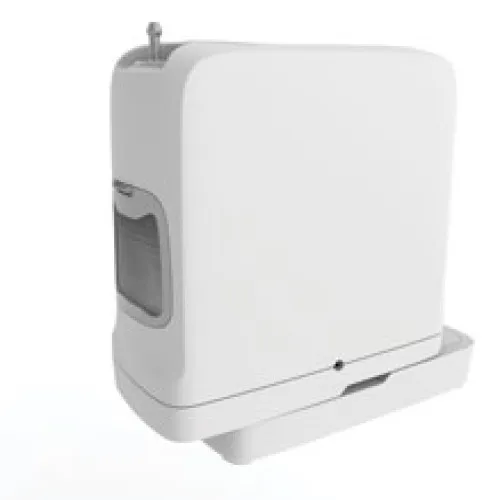
6. Use an Oxygen Concentrator for Respiratory Support
For individuals with low oxygen levels or chronic lung conditions, oxygen concentrators can help maintain optimal oxygen saturation (SpO₂).
They provide purified oxygen that reduces stress on your lungs, especially during high-pollution days or when staying indoors for long hours.
🧘 Bonus Tip: Breathe Fresh with Indoor Habits
- Practice deep breathing exercises near a window.
- Avoid smoking indoors.
- Keep humidity balanced (40–60%) to prevent mold growth.
- Maintain good posture to allow lungs to expand fully while sitting or sleeping.
💚 Breathe Pure, Live Healthy
Your home should be a safe, healing space — not a source of hidden toxins. By improving ventilation, using air purifiers, and maintaining oxygen-rich air indoors, you can dramatically enhance your respiratory health and overall well-being.
At Oxygen4India, we’re committed to helping you breathe better every day — with advanced oxygen concentrators, portable oxygen systems, and expert advice designed for Indian conditions.
