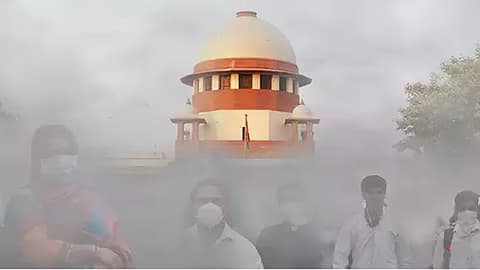
The Supreme Court has stressed that India’s air pollution crisis cannot be treated as a seasonal problem addressed only through customary hearings during the winter smog months. Instead, it has underlined the need for continuous, year-round monitoring, accountability, and action from governments and agencies to protect citizens’ right to life under the Constitution.
Beyond Winter Hearings
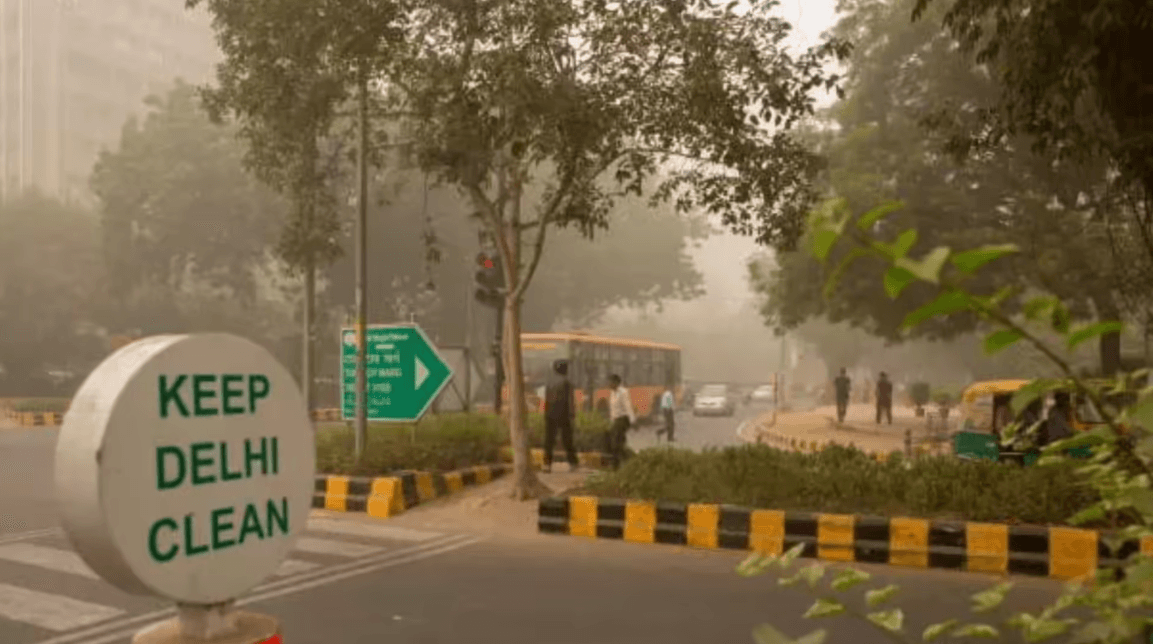
Courts are often moved into action when Delhi-NCR and other northern regions are blanketed in toxic smog each winter, driven by a mix of crop burning, vehicular emissions, industrial pollution, and weather conditions that trap pollutants close to the ground. The Supreme Court’s emphasis on regular monitoring signals that treating air pollution as a “winter-only” emergency allows authorities to slip back into inaction for the rest of the year, despite hazardous levels being recorded in many months.
Need for Continuous Monitoring
Regular monitoring means real-time surveillance of air quality, strict enforcement of emission norms, and timely implementation of graded response measures whenever thresholds are breached, not just when AQI hits headlines. This approach requires coordinated efforts between central agencies, state governments, municipal bodies, and pollution control boards, with transparent reporting so the public can track both air quality and official action on a continuous basis.
Protecting Fundamental Rights
By framing air pollution as a long-term rights issue rather than a short-term seasonal nuisance, the Court is effectively reminding authorities of their constitutional obligation under Article 21 to safeguard the right to life and health. Regular judicial and administrative oversight can help ensure that policies on transport, industry, construction, waste burning, and crop residue management are implemented consistently, reducing the chronic exposure that damages lungs, brains, and hearts over time.