By Oxygen4India | November 2025
Breathing is something we do without thinking — but the air we breathe isn’t always as pure as it should be. From rising pollution levels in Indian cities to lifestyle-related respiratory challenges, our lungs work harder than ever to keep us healthy.
The good news? You can strengthen your lungs naturally through the foods you eat. Nutrition plays a major role in reducing inflammation, boosting oxygen absorption, and cleansing your respiratory system from pollutants and toxins.
Let’s explore some of the best lung-friendly foods that help you breathe easier and live better.
🌿 1. Spinach — The Green Oxygen Booster
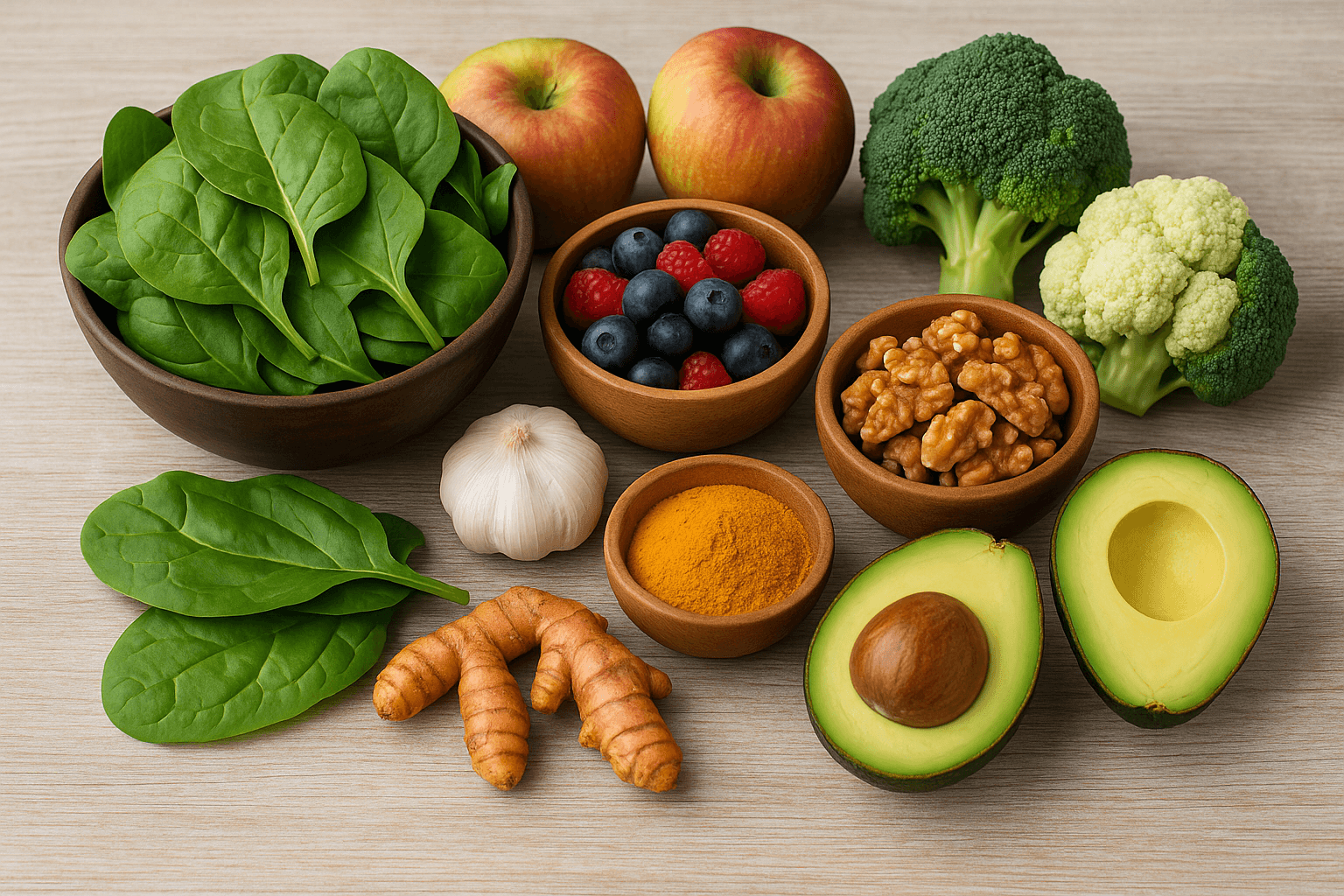
Spinach is one of the best leafy greens for lung health. Packed with vitamin C, magnesium, beta-carotene, and chlorophyll, it helps reduce oxidative stress caused by polluted air.
The chlorophyll in spinach acts as a natural detoxifier, flushing out harmful toxins from your lungs and blood.
Include spinach in your diet through salads, smoothies, or lightly sautéed dishes — your lungs will thank you for it!
Key Nutrients: Vitamin C, Iron, Magnesium, Chlorophyll
How It Helps: Detoxifies lungs, supports oxygen efficiency, and reduces inflammation
🍋 2. Amla (Indian Gooseberry) — The Vitamin C Powerhouse
Amla is one of India’s most potent superfoods. It’s extremely rich in vitamin C, which helps fight oxidative stress and boosts the immune system.
Vitamin C strengthens lung tissues and supports the natural detoxification process of the liver, which filters toxins from the blood — indirectly reducing the burden on your lungs.
How to Use:
- Consume one raw amla daily
- Add amla juice to your morning routine
- Mix amla powder with honey for an immunity shot
Key Nutrients: Vitamin C, Antioxidants
How It Helps: Strengthens respiratory immunity and reduces pollution-induced cellular damage
✨ 3. Turmeric — Nature’s Anti-Inflammatory Shield
Turmeric, a staple in every Indian kitchen, is a miracle spice for lung health. Its active compound curcumin is a powerful anti-inflammatory and antioxidant.
Curcumin helps repair lung tissues and reduces inflammation caused by exposure to dust, smog, and toxins. Regular consumption of turmeric can also improve liver detoxification and overall respiratory strength.
How to Use:
- Add a pinch of turmeric to warm milk (Golden Milk)
- Use turmeric in curries and soups
- Take turmeric supplements (after doctor’s advice)
Key Nutrients: Curcumin, Antioxidants
How It Helps: Reduces lung inflammation and supports healing
🌰 4. Walnuts — The Omega-3 Lung Protectors
Walnuts are packed with omega-3 fatty acids, which help reduce inflammation and improve lung function.
They also protect against pollution-induced oxidative stress by strengthening cell membranes in the lungs. Regular consumption of walnuts may lower the risk of chronic respiratory issues like asthma or COPD (Chronic Obstructive Pulmonary Disease).
How to Use:
- Eat 4–5 soaked walnuts daily
- Add them to salads, oatmeal, or smoothies
Key Nutrients: Omega-3 fatty acids, Vitamin E
How It Helps: Lowers inflammation and supports oxygen transport
🥦 5. Broccoli — The Detox Superfood
Broccoli is rich in sulforaphane and vitamin E, two compounds that help activate your body’s natural detox enzymes.
These nutrients protect the lungs from airborne toxins and enhance the body’s antioxidant defence system. Studies show that sulforaphane may help reduce inflammation in lung tissues and promote better breathing capacity.
How to Use:
- Steam or lightly stir-fry broccoli
- Add to soups or salads
Key Nutrients: Sulforaphane, Vitamin E, Fiber
How It Helps: Detoxifies airways and strengthens lung defences
🥑 6. Avocado — The Healthy Fat for Better Oxygen Flow
Avocado contains glutathione, an antioxidant that helps protect lung tissues from free radical damage.
Its healthy fats also improve cardiovascular health, which ensures better oxygen delivery throughout your body. Including avocados in your meals can promote smoother airflow and improved lung endurance.
Key Nutrients: Glutathione, Vitamin E, Healthy Fats
How It Helps: Protects against oxidative stress and improves oxygen circulation
🧄 7. Garlic — The Natural Detox Agent
Garlic has long been valued for its anti-inflammatory and antibacterial properties. The compound allicin found in garlic helps fight infections, improve blood circulation, and reduce lung inflammation.
Garlic also helps break down mucus buildup in the respiratory tract — making it easier to breathe.
How to Use:
- Eat 1–2 raw garlic cloves in the morning
- Add minced garlic to soups, stir-fries, or lentils
Key Nutrients: Allicin, Selenium
How It Helps: Prevents respiratory infections and clears airways
💨 How These Foods Support Oxygen & Lung Health
Your lungs are constantly exposed to harmful particles from pollution, smoke, and dust. These foods act as natural filters, helping your body:
- Reduce inflammation caused by pollutants
- Boost oxygen absorption in blood
- Strengthen lung tissues
- Detoxify harmful toxins
- Support overall respiratory immunity
When combined with clean air practices, hydration, and oxygen concentrator support (for those with chronic respiratory conditions), these foods can significantly enhance your breathing health.
🫁 Breathe Better, Live Better
At Oxygen4India, we believe good health begins with what you breathe — and what you eat.
Whether you use an oxygen concentrator, air purifier, or simply want to strengthen your lungs naturally, adding these foods to your diet is a powerful step toward a healthier respiratory system.
Start small — include one or two of these lung-friendly foods daily — and over time, your body will respond with greater energy, better breathing, and improved resilience against pollution.