

🫁 How Oxygen Concentrators Improve Breathing for Pollution-Exposed Individuals

By Oxygen4India | November 2025
India’s air quality has become one of the biggest health concerns of our time. From Delhi to Mumbai, smog-filled skies and rising AQI levels have made breathing clean air a daily struggle. Even healthy individuals often experience breathlessness, fatigue, and allergies due to poor air quality.
But what if you could help your body breathe better — even in polluted environments?
That’s where oxygen concentrators come in. These life-enhancing devices provide purified, concentrated oxygen that supports your lungs and improves overall health, especially for those constantly exposed to pollution or suffering from respiratory conditions.
Let’s dive into how oxygen concentrators work and why they’re becoming essential in modern Indian homes.
🌫️ Why Pollution Is a Silent Threat to Your Lungs
Every day, your lungs filter thousands of liters of air. When that air is loaded with pollutants — particulate matter (PM2.5 and PM10), carbon monoxide, nitrogen oxides, and industrial toxins — it leads to:
- Reduced oxygen absorption
- Inflammation and irritation of lung tissues
- Shortness of breath and fatigue
- Increased risk of asthma, COPD, and cardiovascular diseases
Over time, the lungs’ natural capacity to extract oxygen from the air decreases, making it harder for your body to get the oxygen it needs for energy and repair.
⚙️ What Is an Oxygen Concentrator and How Does It Work?
An oxygen concentrator is a medical-grade device that draws in ambient air, filters out nitrogen, and delivers purified oxygen (up to 90–95%) directly to the user through a nasal cannula or mask.
Here’s how it works:
- Air Intake: The machine pulls in room air.
- Filtration: The air passes through filters that remove dust and particles.
- Separation: A process using zeolite sieves separates nitrogen from oxygen.
- Delivery: The user receives a steady stream of concentrated oxygen.
Unlike oxygen cylinders, concentrators don’t need refilling — they provide continuous oxygen as long as they’re powered.
🌬️ Benefits of Oxygen Concentrators for Pollution-Exposed Individuals
1. Improves Oxygen Levels in the Blood
Pollution reduces oxygen exchange in the lungs. Concentrators ensure your body receives enough oxygen to keep blood oxygen saturation (SpO₂) above 94%, improving energy, focus, and stamina.
2. Reduces Breathlessness and Fatigue
If you often feel tired or short of breath due to poor air quality, oxygen therapy can help your lungs work more efficiently. It reduces the workload on your respiratory muscles, allowing you to breathe easier.
3. Supports Recovery for People with Lung Conditions
Those with asthma, COPD, sleep apnea, or post-COVID lung weakness can experience severe breathing difficulties during pollution peaks. Oxygen concentrators provide consistent oxygen support for faster recovery and stable oxygen levels.
4. Boosts Mental Clarity and Focus
When your body gets more oxygen, your brain functions better. Many users report improved alertness, reduced headaches, and enhanced sleep quality after regular oxygen therapy.
5. Safe for Home Use
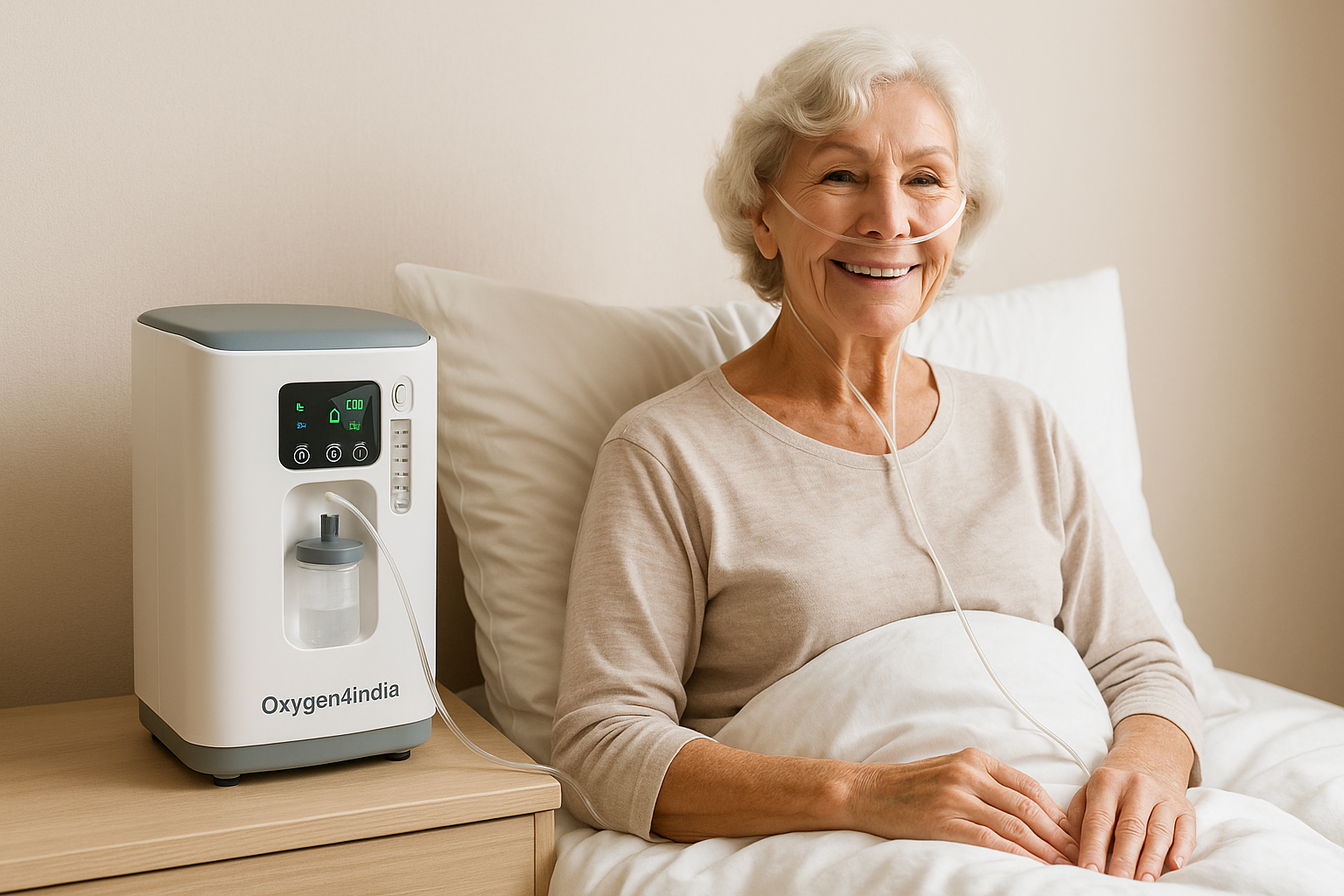
Modern concentrators are compact, quiet, and easy to operate — perfect for home or office use. They are especially beneficial for elderly individuals and those living in metro areas with chronic pollution.
🏠 When Should You Consider Using an Oxygen Concentrator?
You don’t need to be critically ill to benefit from oxygen therapy. Oxygen concentrators are recommended when:
- Your SpO₂ levels consistently drop below 94% (measured with an oximeter).
- You experience chronic fatigue or breathlessness.
- You live in areas with poor air quality or have occupational exposure to pollutants.
- You’re recovering from respiratory infections or COVID-19.
⚠️ Always consult your doctor before starting oxygen therapy. It’s important to use the right flow rate for your needs.
🔋 Portable Oxygen Concentrators: Breathe Easy Anywhere
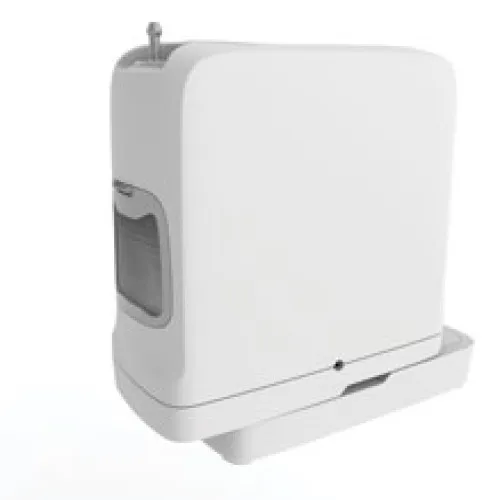
For people who are always on the move, portable oxygen concentrators (POCs) are a game-changer.
These lightweight, rechargeable devices allow you to travel, work, or walk outdoors without worrying about running out of oxygen. Many models come with battery backups and car adapters, making them perfect for urban lifestyles.
Benefits of Portable Units:
- Compact and travel-friendly
- Battery-powered for outdoor use
- Approved for air travel (in some models)
- Quiet and user-friendly design
🔧 How Oxygen Concentrators Help During Pollution Season
In cities like Delhi, AQI levels often cross 400–500 during winter — severely affecting those with weak lungs.
Using a concentrator during high-pollution periods can:
- Increase blood oxygen levels
- Reduce coughing and wheezing
- Minimize the impact of particulate matter on lung tissue
- Support better sleep and recovery
For many families, having a concentrator at home has become as essential as an air purifier.
🧠 Oxygen Concentrator vs. Oxygen Cylinder: Which Is Better?
| Feature | Oxygen Concentrator | Oxygen Cylinder |
|---|---|---|
| Refilling | No refills needed | Requires frequent refilling |
| Oxygen Flow | Continuous flow | Limited supply |
| Cost-Effective | One-time investment | Recurring refill costs |
| Safety | Safer for home use | High-pressure storage risk |
| Portability | Available in portable models | Heavier and less mobile |
✅ Verdict: For long-term or home use, oxygen concentrators are more efficient, affordable, and safer than cylinders.
💚 Breathe Better, Live Healthier
Whether you’re dealing with chronic respiratory issues or simply living in a polluted environment, an oxygen concentrator can make a significant difference. It restores your body’s oxygen balance, reduces the strain on your lungs, and helps you live more actively.
At Oxygen4India, we provide a wide range of oxygen concentrators and portable oxygen devices designed for Indian homes and health needs.
Breathe clean, breathe better — because good oxygen is the first step to good health.
