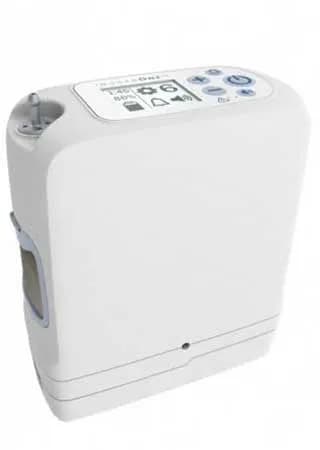
Bpap st 30 vs Bpap st 25 Airsmart Complete Feature Comparison Guide
The Bpap st 30 vs Bpap st 25 Airsmart Complete Feature Comparison Guide refers to the systematic analysis of pressure delivery, backup breath rates, and clinical algorithms between the Airsmart 25 cm H2O and 30 cm H2O Spontaneous/Timed non-invasive ventilators. When you evaluate non-invasive ventilation options for chronic respiratory insufficiency, understanding these pressure thresholds helps you select the correct device prescribed by your pulmonologist. Oxygen4India provides access to certified respiratory machines across India to support your home therapy needs.
What Is the Difference Between the Airsmart BPAP ST 25 and BPAP ST 30?
The primary difference between the Airsmart BPAP ST 25 and BPAP ST 30 is their maximum pressure capacity and algorithmic support for complex respiratory conditions. The ST 25 delivers up to 25 cm H2O of pressure for standard respiratory conditions, while the ST 30 reaches 30 cm H2O to manage severe alveolar hypoventilation and high airway resistance.
+-------------------------------------------------------------------+
|               BI-LEVEL POSITIVE AIRWAY PRESSURE                   |
+-------------------------------------------------------------------+
                                  |
         +------------------------+------------------------+
         |                                                 |
         v                                                 v
+----------------------------------+    +----------------------------------+
|    Airsmart BPAP ST 25           |    |    Airsmart BPAP ST 30           |
|  * Max Pressure: 25 cm H2O       |    |  * Max Pressure: 30 cm H2O       |
|  * Moderate Support              |    |  * Severe Hypercapnia Support    |
|  * Standard Sleep Apnea & COPD   |    |  * OHS & Neuromuscular Care      |
+----------------------------------+    +----------------------------------+
Bi-level Positive Airway Pressure with Spontaneous/Timed (ST) technology is an advanced non-invasive ventilation mode. It delivers two distinct pressure levels: Inspiratory Positive Airway Pressure (IPAP) when you inhale, and Expiratory Positive Airway Pressure (EPAP) when you exhale. The "ST" designation means that while the machine senses your natural breathing efforts (Spontaneous), it also features a machine-initiated Backup Rate (Timed). If your respiratory system fails to initiate a breath within a set timeframe, the machine automatically delivers a timed breath to prevent nocturnal hypoventilation.
Selecting between these two non-invasive ventilators is not a matter of personal preference. Your pulmonologist determines the exact device based on arterial blood gas (ABG) analysis, diagnostic polysomnography (sleep study) data, and peak inspiratory pressure requirements. If your blood work indicates severe hypercapnia (excessive carbon dioxide retention in the blood), you may require the higher pressure ceiling of the ST 30 to flush out residual CO2 effectively.
What Are the Key Technical Specifications of Airsmart BPAP ST 25 and ST 30?
Key technical specifications for the Airsmart BPAP ST 25 include an IPAP range of 4 to 25 cm H2O, whereas the ST 30 provides an IPAP range of 4 to 30 cm H2O. Both models feature adjustable EPAP from 4 cm H2O, backup respiratory rates from 5 to 50 breaths per minute, and integrated heated humidification.
+------------------------------------------------------------------+
|                  SHARED CORE ARCHITECTURE                        |
|                                                                  |
|   +-------------------+    +---------------------------------+   |
|   | Heated Humidifier |    | Digital Data Logging            |   |
|   | (1-5 Heat Levels) |    | (SD Card / Internal Memory)     |   |
|   +-------------------+    +---------------------------------+   |
|             |                              |                     |
|             v                              v                     |
|   +-------------------+    +---------------------------------+   |
|   | Dynamic Leak Comp |    | Adjustable Ramp                 |   |
|   | (Real-time flow)  |    | (0 to 60 Minutes)               |   |
|   +-------------------+    +---------------------------------+   |
+------------------------------------------------------------------+
The Airsmart BPAP ST 25 operates within a pressure spectrum of 4 to 25 cm H2O. This pressure threshold is suited for patients titrating against moderate Obstructive Sleep Apnea (OSA), Central Sleep Apnea (CSA), or mild-to-moderate restrictive pulmonary disorders. When you use this device, the dynamic flow generator responds quickly to your patient-initiated triggers, smoothing the transition between IPAP and EPAP.
The Airsmart BPAP ST 30 extends this pressure boundary up to 30 cm H2O. This additional 5 cm H2O of pressure headroom is crucial when treating advanced clinical pathologies. Conditions such as severe Chronic Obstructive Pulmonary Disease (COPD), Obesity Hypoventilation Syndrome (OHS), severe kyphoscoliosis, and neuromuscular diseases (such as Amyotrophic Lateral Sclerosis or ALS) frequently demand IPAP settings exceeding 22 to 24 cm H2O to maintain proper chest wall expansion.
Both Airsmart models share high-spec internal components designed for therapy compliance:
- Integrated heated humidifiers with 1 to 5 heat settings to prevent airway dryness.
- Dynamic leak compensation algorithms that recalculate air volume in real-time during mask shifting.
- Detailed data logging via removable SD cards to track compliance, residual Apnea-Hypopnea Index (AHI), tidal volume delivery, and leak rates.
- Automatic altitude compensation up to 2,500 meters above sea level.
Accessing authentic medical equipment through Oxygen4India ensures you receive factory-calibrated devices backed by full manufacturer warranties and local technical support across India.
Airsmart BPAP ST 25 vs BPAP ST 30: How Do They Compare Side-by-Side?
Side-by-side comparison reveals that the Airsmart BPAP ST 30 offers higher maximum inspiratory pressure support (30 cm H2O versus 25 cm H2O) and finer trigger-cycle sensitivity adjustments. Both units maintain silent operation under 30 dB, provide comprehensive compliance monitoring, and feature adjustable ramp durations ranging from 0 to 60 minutes.
To help you and your caregiver understand how these two machines compare, review the feature metrics listed below.
| Technical Feature | Airsmart BPAP ST 25 | Airsmart BPAP ST 30 |
|---|---|---|
| IPAP Pressure Range | 4 to 25 cm H2O | 4 to 30 cm H2O |
| EPAP Pressure Range | 4 to 25 cm H2O | 4 to 25 cm H2O |
| Backup Breath Rate (BPM) | 5 to 50 Breaths Per Minute | 5 to 50 Breaths Per Minute |
| Target Patient Profile | Moderate OSA, CSA, Mild COPD | Severe COPD, OHS, ALS, Kyphoscoliosis |
| Sound Level | < 30 dB at 10 cm H2O | < 30 dB at 10 cm H2O |
| Ramp Time | 0 to 60 minutes (5-min increments) | 0 to 60 minutes (5-min increments) |
| Trigger / Cycle Sensitivity | 1 to 5 Levels | 1 to 6 Advanced Sensitivity Levels |
| Data Compliance Storage | AHI, Leak, Pressure, VT, RR | AHI, Leak, Pressure, VT, RR, Target Volume |
When you examine the pressure support differential (the gap between IPAP and EPAP), the ST 30 allows for a wider pressure span. For instance, if your doctor prescribes an EPAP of 6 cm H2O and an IPAP of 28 cm H2O to force ventilation through rigid chest walls, only the ST 30 can fulfill this prescription.
Furthermore, both machines utilize whisper-quiet motor technology operating under 30 decibels. This prevents sleep disruption for you and your bed partner. The onboard ramp function allows you to start therapy at a lower baseline pressure (such as 4 cm H2O) over a period of 0 to 60 minutes, easing you into sleep before the machine steps up to full prescription pressures.
Which Airsmart Device Is Right for Your Clinical Needs?
Determining which Airsmart device fits your clinical needs depends on your target IPAP requirements, chest wall compliance, carbon dioxide retention, and specific neuromuscular health conditions. Patients requiring pressures below 25 cm H2O thrive on the ST 25, whereas severe respiratory weakness demands the ST 30 model.
                 CLINICAL DECISION TREE

             Perform ABG & Sleep Study
                         |
                         v
            Is prescribed IPAP > 25 cm H2O?
                         |
        +----------------+----------------+
        |                                 |
     ( YES )                           ( NO )
        |                                 |
        v                                 v
Select Airsmart ST 30            Select Airsmart ST 25
* Severe COPD                    * Standard Sleep Apnea
* Severe Hypercapnia             * Moderate COPD
* ALS / Neuromuscular            * Low-pressure titration
Clinical indicators for choosing the Airsmart BPAP ST 25 typically include standard overlap syndrome (where a patient suffers from both obstructive sleep apnea and mild chronic bronchitis), simple central sleep apnea, or low-pressure titration cases where target IPAP stays comfortably below 22 cm H2O. If your lung tissue retains normal elasticity and your respiratory drive simply requires modest pressure support, the ST 25 provides ideal therapy.
In contrast, clinical scenarios requiring the Airsmart BPAP ST 30 involve elevated chest wall resistance or severe hypercapnic respiratory failure. In conditions like Obesity Hypoventilation Syndrome, body mass exerts physical pressure against the lungs while lying flat, requiring higher IPAP levels (often 24 to 28 cm H2O) to deliver adequate tidal volume. Neuromuscular conditions like ALS or muscular dystrophy cause progressive diaphragm weakness, making the elevated pressure threshold and precise trigger sensitivity of the ST 30 life-sustaining.
Patient comfort features remain consistent across both units. You can pair either model with heated tubing to eliminate condensation buildup (rainout) inside the hose during cold winter months. The bright, easy-to-read color display screen allows you or your caregiver to check mask seal integrity and daily compliance hours with a single glance. You can explore the full range of respiratory equipment in the Oxygen4India CPAP & BiPAP Machines collection to find the precise configuration prescribed for your home care.
How Do You Set Up and Operate an Airsmart BPAP Device Safely?
Setting up and operating an Airsmart BPAP device safely requires unboxing the unit, installing clean air filters, filling the humidifier with distilled water, attaching the tubing and mask, and verifying that pre-set prescription parameters match your doctor's order. Always start the air flow before placing the mask over your face.
Follow these 4 sequential steps to ensure safe operation every day:
Step 1: Prepare the Device Chassis and Humidifier
Place your Airsmart BPAP device on a flat, stable bedside surface lower than your sleeping position to prevent condensation from draining into your mask. Slide out the air filter cover on the rear intake port, verify that a clean fine-particle filter is seated correctly, and plug the power adapter into an uninterruptible power supply (UPS) or grounded wall outlet. Open the integrated humidifier chamber, fill it to the indicated "MAX" line using only pure distilled or demineralized water, and slide the chamber firmly back into the device until it clicks into place. Never use tap water, as mineral deposits will damage the internal heating plate.
Step 2: Attach the Hose and Patient Interface
Take your high-performance 22mm standard or heated smooth-bore tubing and push one end firmly onto the air outlet port of the Airsmart unit. Connect the opposite end of the tubing to your prescribed non-invasive ventilation mask—whether a full-face mask, nasal mask, or nasal pillows. Adjust the fabric headgear straps while sitting up so the silicone cushion rests flush against your skin without pinching.
Step 3: Verify Prescription Settings and Initiate Airflow
Press the power button on top of the Airsmart unit to turn on the color display. Access the clinical monitor screen to confirm that the set IPAP, EPAP, Backup Breath Rate (BPM), and Ramp duration match your written pulmonologist's prescription exactly. Press the Start/Stop therapy button to start the blower. Place the fitted mask onto your face, pull the headgear clips into place, and take slow, deep breaths through your nose or mouth to allow the spontaneous flow trigger to synchronize with your breathing pattern.
Step 4: Perform Post-Therapy Hygiene and Maintenance
When you wake up, press the Start/Stop button to pause airflow, unclip your mask, and disconnect the unit from power. Remove the water chamber, pour out any remaining water, and leave it to air dry completely away from direct sunlight. Wipe down the silicone mask cushion daily using a damp cloth or specialized mask wipe to remove facial oils. Ensure you source fresh replacement components from the Oxygen4India CPAP & BiPAP Accessories store whenever soft parts show signs of wear.
+-----------------------------------------------------------------+
|                    DAILY & WEEKLY CARE ROUTINE                  |
+-----------------------------------------------------------------+
| Daily:  * Empty and air-dry humidifier chamber                  |
|         * Wipe facial oil off silicone mask cushion             |
+-----------------------------------------------------------------+
| Weekly: * Wash mask components and tubing in warm soapy water   |
|         * Rinse and dry reusable foam intake filters            |
+-----------------------------------------------------------------+
| Monthly:* Inspect fine white disposable filters; replace if dark |
|         * Check headgear elasticity and silicone seal integrity |
+-----------------------------------------------------------------+
Why Is Regular Maintenance Crucial for Non-Invasive Ventilators?
Regular maintenance is crucial for non-invasive ventilators because dirty filters strain internal motors, degraded tubing causes pressure leaks, and unwashed water chambers harbor dangerous pathogens. Consistently cleaning your Airsmart device ensures precise prescription delivery, protects internal electronics, and safeguards your respiratory health from secondary bacterial infections.
Air intake filters serve as the first line of defense for both your lungs and the machine's internal turbine motor. The Airsmart system uses a dual-filter approach: a reusable black foam filter that captures large dust particles and pet hair, paired with a fine white disposable filter that traps microscopic allergens and soot. You must wash the foam filter weekly in warm water and replace the fine white filter every 30 days—or sooner if you live in dusty urban environments across India. Blocked filters force the motor to work harder, generating excessive heat and altering delivered therapy pressures.
Preventing contamination within the patient circuit is equally vital. Standing water inside an uncleaned humidifier chamber creates an ideal breeding ground for bacteria, mold spores, and fungi. Breathing contaminated mist night after night increases your risk of upper respiratory infections, bronchitis, and pneumonia. Wash the water chamber and air tubing weekly using warm water and mild dish soap, then allow them to air dry thoroughly before reassembly.
You must also check your tubing for tiny pinholes, micro-tears, or stretching near the connector cuffs. Even minor pressure leaks prevent the ST algorithm from accurately detecting your spontaneous inhalation effort, causing the machine to miscalculate breath timing. Clinical guidance from institutions like the All India Institute of Medical Sciences (AIIMS) highlights that clean, well-maintained non-invasive ventilation equipment directly improves patient compliance and long-term therapeutic outcomes. Always consult your manufacturer user manual for device calibration recommendations.
How Can Patients in India Access Certified BiPAP Equipment and Support?
Patients in India can access certified BiPAP equipment and support by ordering medically validated devices through established respiratory platforms like Oxygen4India, which offer direct home delivery across major metro cities and tier-2 locations. Buying through authorized channels guarantees genuine warranties, original spare parts, and reliable technical assistance.
+-----------------------------------------------------------------+
|                   COMPLETE RESPIRATORY CARE HUB                 |
+-----------------------------------------------------------------+
|                                                                 |
|   +-----------------------+         +-----------------------+   |
|   |  Certified BiPAP &    |         | Oxygen Concentrators  |   |
|   |     CPAP Devices      |         |  (5L & 10L Units)     |   |
|   +-----------------------+         +-----------------------+   |
|               |                                 |               |
|               +----------------+----------------+               |
|                                |                                |
|                                v                                |
|   +---------------------------------------------------------+   |
|   |       Complete Home Therapy Support Across India        |   |
|   +---------------------------------------------------------+   |
+-----------------------------------------------------------------+
Procuring certified medical equipment within India requires caution due to the influx of grey-market imports and unverified third-party sellers online. Uncertified units often lack proper pressure calibration, carry invalid international warranties, and expose you to motor failures without repair coverage. Purchasing your Airsmart device through established providers guarantees that your non-invasive ventilator meets strict safety parameters, includes Indian electrical plug configurations, and comes with full technical support.
For patients suffering from severe chronic respiratory conditions like end-stage COPD or pulmonary fibrosis, BiPAP therapy is often combined with long-term oxygen therapy (LTOT). You can explore supplementary home oxygen options by viewing certified oxygen concentrators for home delivery, ensuring your home care setup meets all oxygen concentration and flow-rate needs prescribed by your clinical team.
Never attempt to alter device settings—such as increasing IPAP, changing backup breath rates, or adjusting rise time—without direct orders from your physician. If your blood gas parameters change or if you experience morning headaches, excessive daytime fatigue, or abdominal bloating (aerophagia), consult your pulmonologist immediately for a fresh prescription assessment. If you want to learn more about setting up your therapy environment, read our detailed guide on how to choose the right home oxygen concentrator.
Finding the Right Airsmart Solution for Your Therapy
The Airsmart BPAP ST 25 and ST 30 are both high-performance non-invasive ventilators, but they serve distinct clinical requirements. The ST 25 provides dependable pressure support up to 25 cm H2O for moderate sleep apnea, central events, and mild pulmonary restriction. The ST 30 offers extended pressure delivery up to 30 cm H2O, making it the required option for severe hypercapnia, severe COPD, Obesity Hypoventilation Syndrome, and neuromuscular diseases that demand high chest wall inflation pressures.
Device selection must always be guided by your doctor's diagnostic titration and arterial blood gas results. Oxygen4India supports patients across India with genuine, certified BiPAP devices, high-quality masks, replacement filters, and complementary respiratory supplies delivered directly to your doorstep.
To receive expert guidance on selecting the exact model, accessories, or configuration prescribed by your pulmonologist, WhatsApp an expert at +91 86868 64336 today for personalized, professional support.